Why Discipline Is Not About Feeling Motivated
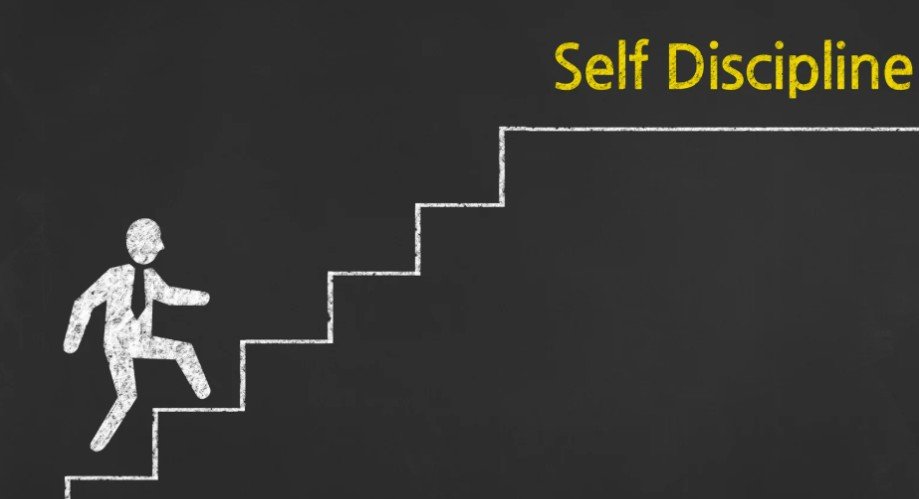
Learning how to become more disciplined in life starts with one honest truth: motivation is moody. It shows up late, leaves early, and often disappears when the work gets boring.
I used to think disciplined people had stronger willpower. Now I see it differently. They usually have fewer daily arguments with themselves. They build systems that make the right action easier and the wrong action harder.
The American Psychological Association defines willpower as resisting short-term temptation to meet long-term goals. Research also links self-control with everyday goal achievement, especially when desires conflict with long-term plans. Discipline is not magic. It is repeatable behavior under pressure.
Start With One Tiny Rule

Big discipline plans often fail because they demand a brand-new identity overnight. That sounds exciting on Sunday night and exhausting by Tuesday morning.
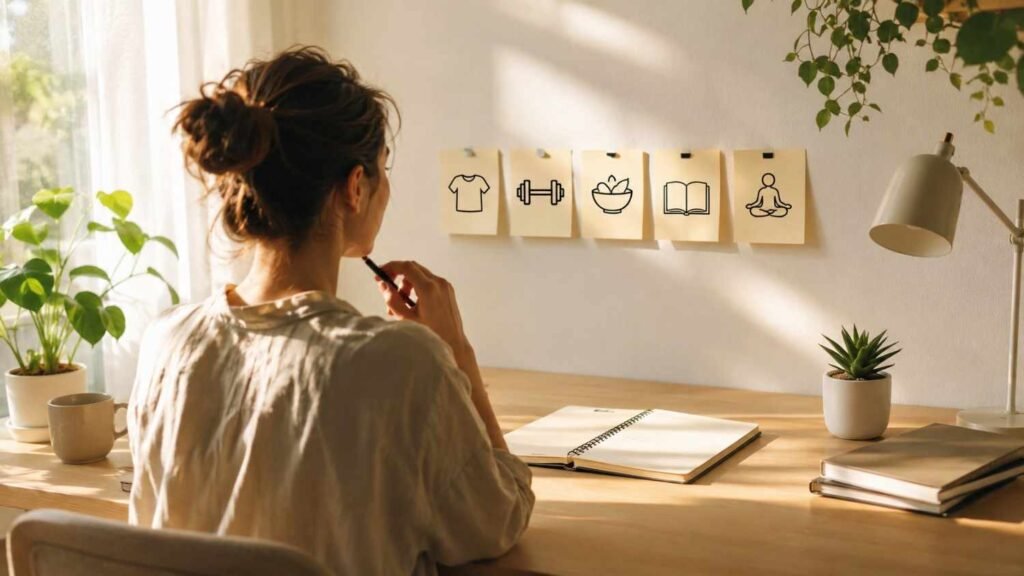
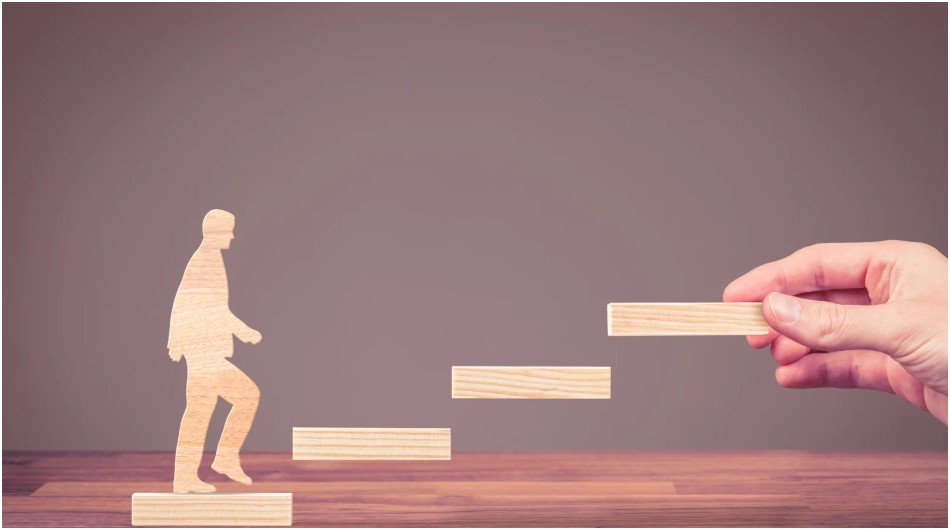
Start with one tiny rule instead. Read one page. Walk for five minutes. Write three lines. Clear your desk before bed. Tiny habits lower resistance, which helps you act before your brain starts negotiating.
The Five-Minute Entry Point
When I cannot focus, I use a five-minute entry point. I do not promise to finish the whole task. I only promise to start for five minutes.
That small start matters because habit research shows repeated actions in stable contexts can become more automatic over time. The goal is not to force discipline forever. The goal is to make the behavior easier to repeat.
Build An Environment That Behaves Better Than You Do

Your environment trains you all day. If your phone is beside you, your brain has to keep rejecting it. That is tiring.
When I want deeper focus, I move my phone to another room. If I want to eat better, I stop keeping easy junk food nearby. If I want to avoid late-night scrolling, I charge my phone away from my bed.
This is one of the most practical answers to how to become more disciplined in life because it removes temptation before willpower gets involved. Discipline becomes easier when your surroundings stop working against you.
Use Routines To Remove Daily Negotiation
Discipline weakens when every action becomes a debate. Should I work out? Should I write? Should I sleep now? Should I check my phone?
Routines reduce those decisions. A fixed routine tells your brain, “This is what happens next.”
My Simple Morning Discipline Stack
My easiest discipline stack looks like this: wake up, drink water, make the bed, review one priority, then start the first task before checking messages.
It is not glamorous. That is why it works. The routine is simple enough to repeat on tired days.
Sleep also matters here. The CDC says sleep supports mood, attention, memory, heart health, and daily performance. Mayo Clinic also recommends a consistent sleep schedule because consistency supports the body’s sleep-wake cycle.
Train Delayed Gratification In Small Moments
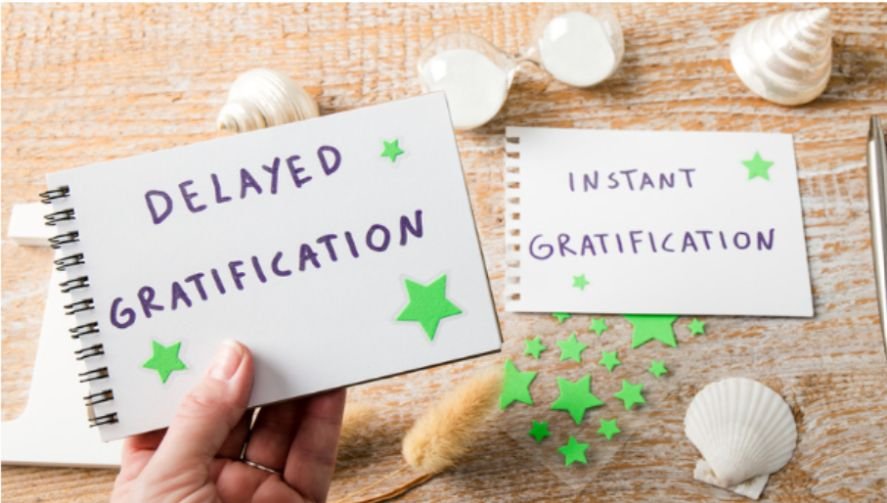
Delayed gratification sounds intense, but it can be trained quietly. Wait ten minutes before opening social media. Finish one work block before coffee. Save the episode until after your task.
These small waits teach your brain that urges are not commands. You can notice a craving without obeying it.
This is where discipline becomes identity-based. Instead of saying, “I am trying not to procrastinate,” say, “I am someone who starts before I feel ready.”
That small language shift changes the emotional tone. You stop begging yourself to behave. You start acting like the person you are becoming.
Add Accountability Before You Need It
Private goals are easy to abandon because nobody sees the exit. Accountability adds healthy pressure.
Tell a trusted friend your daily target. Track your habit on paper. Join a group. Set a small consequence for skipping the rule. The consequence does not need to be harsh. It just needs to make avoidance less comfortable.
For example, I once used a simple rule: if I skipped my writing block, I had to clean my workspace before doing anything fun. It worked because the penalty was immediate, annoying, and useful.
Use Journaling To Build A Disciplined Identity
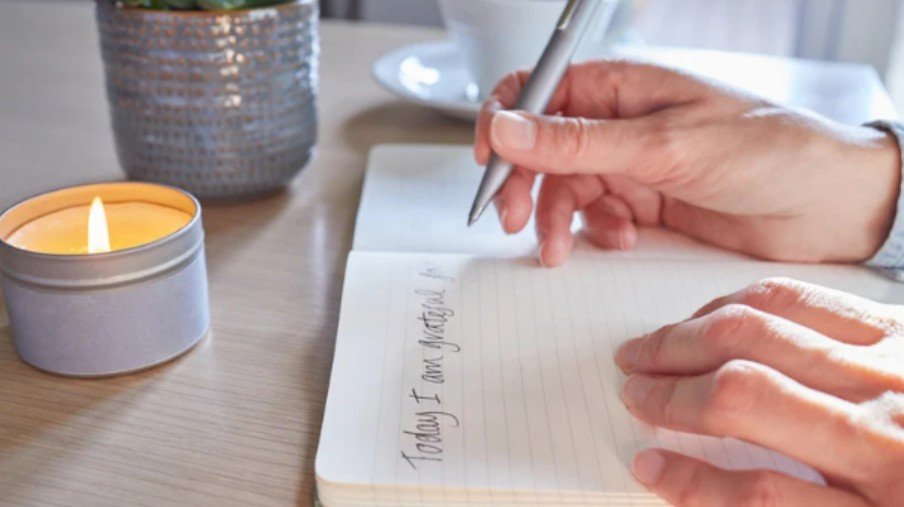
Journaling helps you spot patterns. You can see what triggers distraction, what time you work best, and which excuses repeat.
Use personal growth journal prompts to ask better questions, such as: What did I avoid today? What made discipline easier? What temptation kept winning? What is one small rule I can repeat tomorrow?
This makes how to become more disciplined in life less vague. You stop judging yourself and start collecting evidence.
The 3-Minute Reset Rule For Bad Days
Bad days do not destroy discipline. Dramatic reactions do.
My original rule is simple: when the day goes off track, take three minutes to reset. First, name the problem. Second, choose the next smallest action. Third, restart without punishing yourself.
Example: “I lost two hours scrolling. I will put my phone in another room and work for five minutes.”
That is it. No speech. No shame spiral. No fake promise to become perfect tomorrow.
Discipline grows faster when recovery is quick.
FAQs
1. How can I become disciplined if I am lazy?
Start with a task so small it feels almost silly, then repeat it daily until action feels normal.
2. How long does it take to build discipline?
It varies by habit, but consistency, stable cues, and repetition make habits more automatic over time.
3. How do I stay disciplined when I lose motivation?
Use routines, environment design, and accountability instead of waiting for motivation to return.
4. What is the first step in how to become more disciplined in life?
Choose one tiny daily rule and protect it for seven days.
Final Take: Discipline Looks Better On You Than Excuses
I like discipline because it removes drama. You do not need to wake up as a brand-new person. You need one rule, one cleaner environment, one routine, and one honest reset when things go sideways.
Start today with a five-minute action. Make it too easy to skip, then repeat it tomorrow. That is how discipline stops being a wish and starts becoming your normal personality.