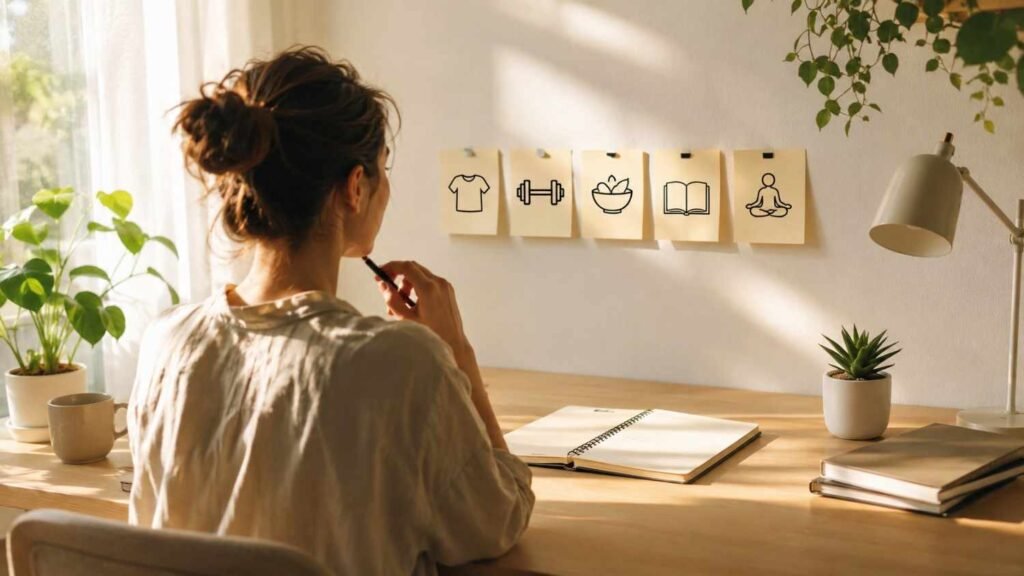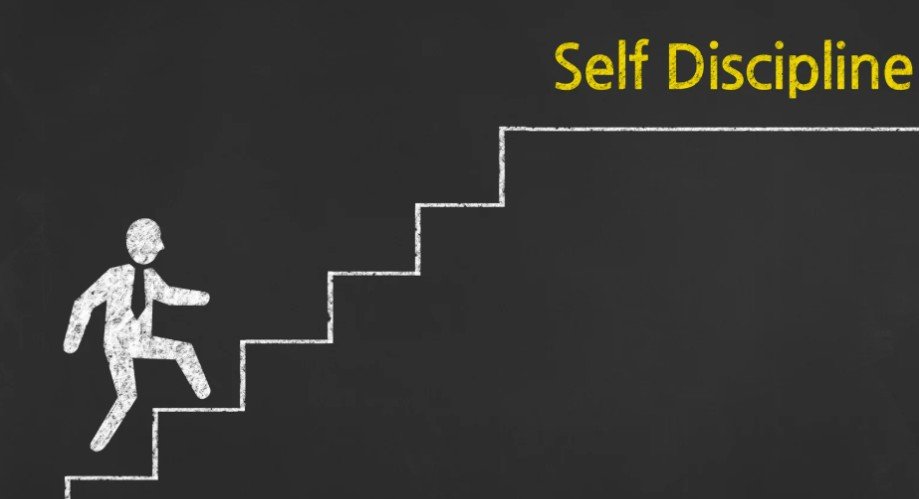

I used to think discipline meant forcing myself to be productive every hour of the day. That never lasted. Real discipline became easier when I stopped chasing motivation and started building small rules I could repeat.
If you want to learn how to improve your self discipline, the answer is not being harder on yourself. It is making the right action easier to choose, even on low-energy days.
What self discipline really means
Self discipline is the ability to choose what helps your future instead of what feels easiest right now. It shows up when you finish a workout, avoid another scroll session, study after work, save money, or say no to distractions.
It is not about being perfect. Disciplined people still feel tired, bored, tempted, and unmotivated. The difference is that they build systems that help them act before excuses take over.
Why self discipline feels so hard
Discipline feels difficult because the brain loves quick rewards. Social media, snacks, entertainment, and comfort give instant pleasure. Long-term goals like fitness, savings, learning, or career growth take time before results appear.
That delay creates the real challenge. You are not only fighting laziness. You are fighting an environment designed to steal your attention. That is why willpower alone is not enough. You need habits, structure, reminders, and fewer temptations.
Start with one small rule

The biggest mistake is trying to fix everything at once. People decide to wake up early, eat clean, exercise, journal, read, save money, and quit distractions all in the same week. That usually leads to burnout.
Start with one rule so simple it feels almost too easy. Walk for ten minutes after lunch. Read two pages before bed. Put your phone away during the first hour of work. Drink water before coffee. Small rules build trust with yourself.
Once you keep one promise daily, discipline starts feeling natural instead of forced.
Remove temptation before you need willpower
A disciplined life is not built by staring at temptation all day and hoping you win. It is built by removing friction from good choices and adding friction to bad ones.
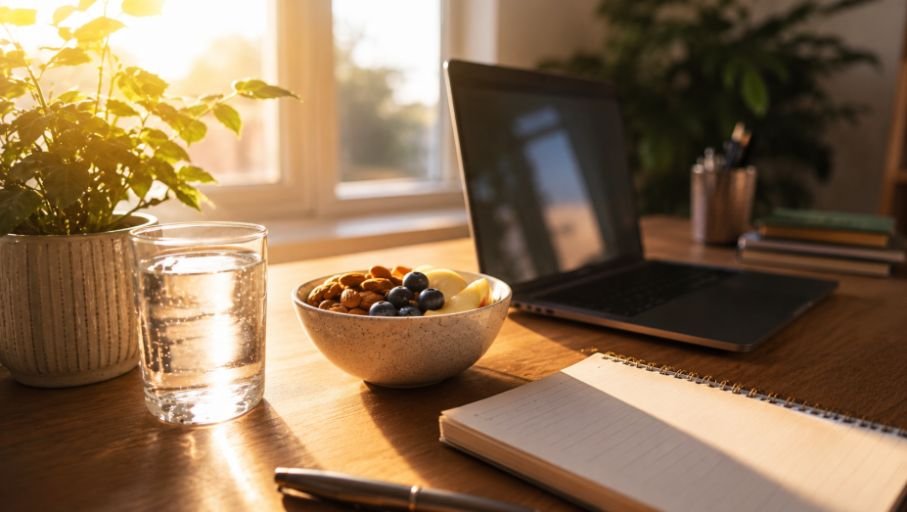
Keep your phone away from your desk. Place workout clothes where you can see them. Delete apps that waste your time. Put healthy food at eye level. Block distracting websites during work hours. Keep your savings automatic.
The goal is simple. Do not make discipline a daily battle. Design your space so the better choice is easier.
Build a routine that protects your focus
A routine gives your brain fewer decisions to make. When your day has structure, you waste less energy asking, “What should I do now?”
Create a morning anchor, a work anchor, and an evening reset. Your morning anchor can be making your bed, stretching, or planning the day. Your work anchor can be a focused 25-minute session before checking messages. Your evening reset can be preparing tomorrow’s clothes, meals, or task list.
Simple routines reduce decision fatigue and make consistency easier.
Use the “I don’t” rule

Language shapes behavior. Saying “I can’t eat junk food” feels restrictive. Saying “I don’t eat snacks while working” feels like identity.
Use “I don’t” rules for the habits you want to protect. I don’t check my phone before finishing my first task. I don’t skip two workouts in a row. I don’t start my day without planning it. I don’t spend before saving.
This turns discipline into part of who you are, not just something you are trying to do.
Practice discomfort in small doses
Self discipline grows when you teach yourself that discomfort is not danger. You do not need extreme challenges. You only need small moments where you choose effort over ease.
Take the stairs. Finish the last five minutes of a workout. Study for ten more minutes. Sit with boredom instead of grabbing your phone. Wake up when the alarm rings. These tiny acts train your mind to stay steady when things feel inconvenient.
Over time, discomfort becomes less scary, and your confidence grows.
Create a bad-day plan
Perfect routines break. Work gets stressful. Sleep gets messy. Family responsibilities appear. That is why every discipline system needs a bad-day version.
If you cannot do a full workout, do five minutes. If you cannot read a chapter, read one page. If you cannot cook, choose the better takeout option. If you lose focus, restart with one small task.
A bad-day plan protects momentum. The goal is not to win every day perfectly. The goal is to avoid quitting completely.
Track your promises
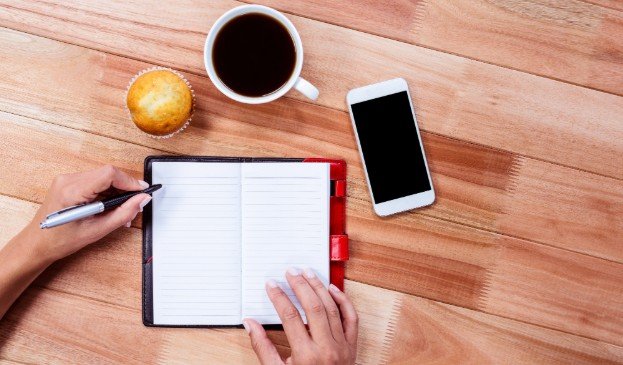
You cannot improve what you never measure. Tracking helps you see proof that you are becoming more consistent.
Use a notebook, calendar, app, or simple checklist. Track only the habit that matters most right now. Mark each day you complete it. When you see a streak forming, you will want to protect it.
Do not track too many things at once. A simple system is easier to keep than a complicated one.
Frequently Asked Questions
1. How long does it take to build self discipline?
It depends on the habit, but most people feel more consistent after a few weeks of repeating one small behavior daily.
2. What is the easiest way to start being disciplined?
Start with one tiny habit, remove one major distraction, and repeat the same action at the same time each day.
3. Can self discipline be learned?
Yes, self discipline is a skill. It improves when you practice small promises, build routines, and create an environment that supports better choices.
4. What is the best tip for how to improve your self discipline?
The best tip is to stop depending on motivation and build small daily systems that make the right action easier to repeat.
Final Thoughts
I believe discipline works best when it fits real life. You do not need a perfect routine, extreme motivation, or a complete personality change. You need one clear rule, one supportive environment, one backup plan, and the courage to restart quickly.
When I stopped treating discipline like punishment, it became a form of self-respect. Every small promise kept became evidence that I could trust myself. That is where real consistency begins.