Blog

  • How to Improve Your Self Discipline Without Burnout

    How to Improve Your Self Discipline Without Burnout

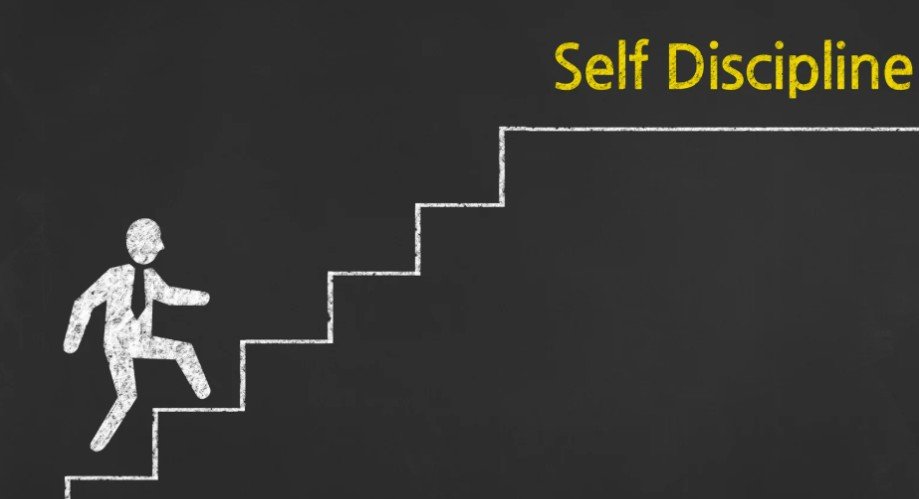
    I used to think discipline meant forcing myself to be productive every hour of the day. That never lasted. Real discipline became easier when I stopped chasing motivation and started building small rules I could repeat.

    If you want to learn how to improve your self discipline, the answer is not being harder on yourself. It is making the right action easier to choose, even on low-energy days.

    What self discipline really means

    Self discipline is the ability to choose what helps your future instead of what feels easiest right now. It shows up when you finish a workout, avoid another scroll session, study after work, save money, or say no to distractions.

    It is not about being perfect. Disciplined people still feel tired, bored, tempted, and unmotivated. The difference is that they build systems that help them act before excuses take over.

    Why self discipline feels so hard

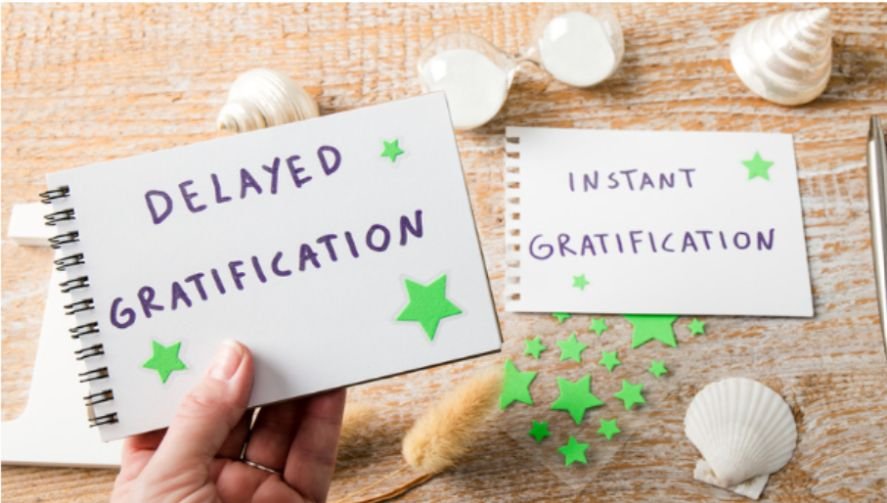
    Discipline feels difficult because the brain loves quick rewards. Social media, snacks, entertainment, and comfort give instant pleasure. Long-term goals like fitness, savings, learning, or career growth take time before results appear.

    That delay creates the real challenge. You are not only fighting laziness. You are fighting an environment designed to steal your attention. That is why willpower alone is not enough. You need habits, structure, reminders, and fewer temptations.

    Start with one small rule

    Start with one small rule

    The biggest mistake is trying to fix everything at once. People decide to wake up early, eat clean, exercise, journal, read, save money, and quit distractions all in the same week. That usually leads to burnout.

    Start with one rule so simple it feels almost too easy. Walk for ten minutes after lunch. Read two pages before bed. Put your phone away during the first hour of work. Drink water before coffee. Small rules build trust with yourself.

    Once you keep one promise daily, discipline starts feeling natural instead of forced.

    Remove temptation before you need willpower

    A disciplined life is not built by staring at temptation all day and hoping you win. It is built by removing friction from good choices and adding friction to bad ones.

    Keep your phone away from your desk. Place workout clothes where you can see them. Delete apps that waste your time. Put healthy food at eye level. Block distracting websites during work hours. Keep your savings automatic.

    The goal is simple. Do not make discipline a daily battle. Design your space so the better choice is easier.

    Build a routine that protects your focus

    A routine gives your brain fewer decisions to make. When your day has structure, you waste less energy asking, “What should I do now?”

    Create a morning anchor, a work anchor, and an evening reset. Your morning anchor can be making your bed, stretching, or planning the day. Your work anchor can be a focused 25-minute session before checking messages. Your evening reset can be preparing tomorrow’s clothes, meals, or task list.

    Simple routines reduce decision fatigue and make consistency easier.

    Use the “I don’t” rule

    Use the “I don’t” rule

    Language shapes behavior. Saying “I can’t eat junk food” feels restrictive. Saying “I don’t eat snacks while working” feels like identity.

    Use “I don’t” rules for the habits you want to protect. I don’t check my phone before finishing my first task. I don’t skip two workouts in a row. I don’t start my day without planning it. I don’t spend before saving.

    This turns discipline into part of who you are, not just something you are trying to do.

    Practice discomfort in small doses

    Self discipline grows when you teach yourself that discomfort is not danger. You do not need extreme challenges. You only need small moments where you choose effort over ease.

    Take the stairs. Finish the last five minutes of a workout. Study for ten more minutes. Sit with boredom instead of grabbing your phone. Wake up when the alarm rings. These tiny acts train your mind to stay steady when things feel inconvenient.

    Over time, discomfort becomes less scary, and your confidence grows.

    Create a bad-day plan

    Perfect routines break. Work gets stressful. Sleep gets messy. Family responsibilities appear. That is why every discipline system needs a bad-day version.

    If you cannot do a full workout, do five minutes. If you cannot read a chapter, read one page. If you cannot cook, choose the better takeout option. If you lose focus, restart with one small task.

    A bad-day plan protects momentum. The goal is not to win every day perfectly. The goal is to avoid quitting completely.

    Track your promises

    Track your promises

    You cannot improve what you never measure. Tracking helps you see proof that you are becoming more consistent.

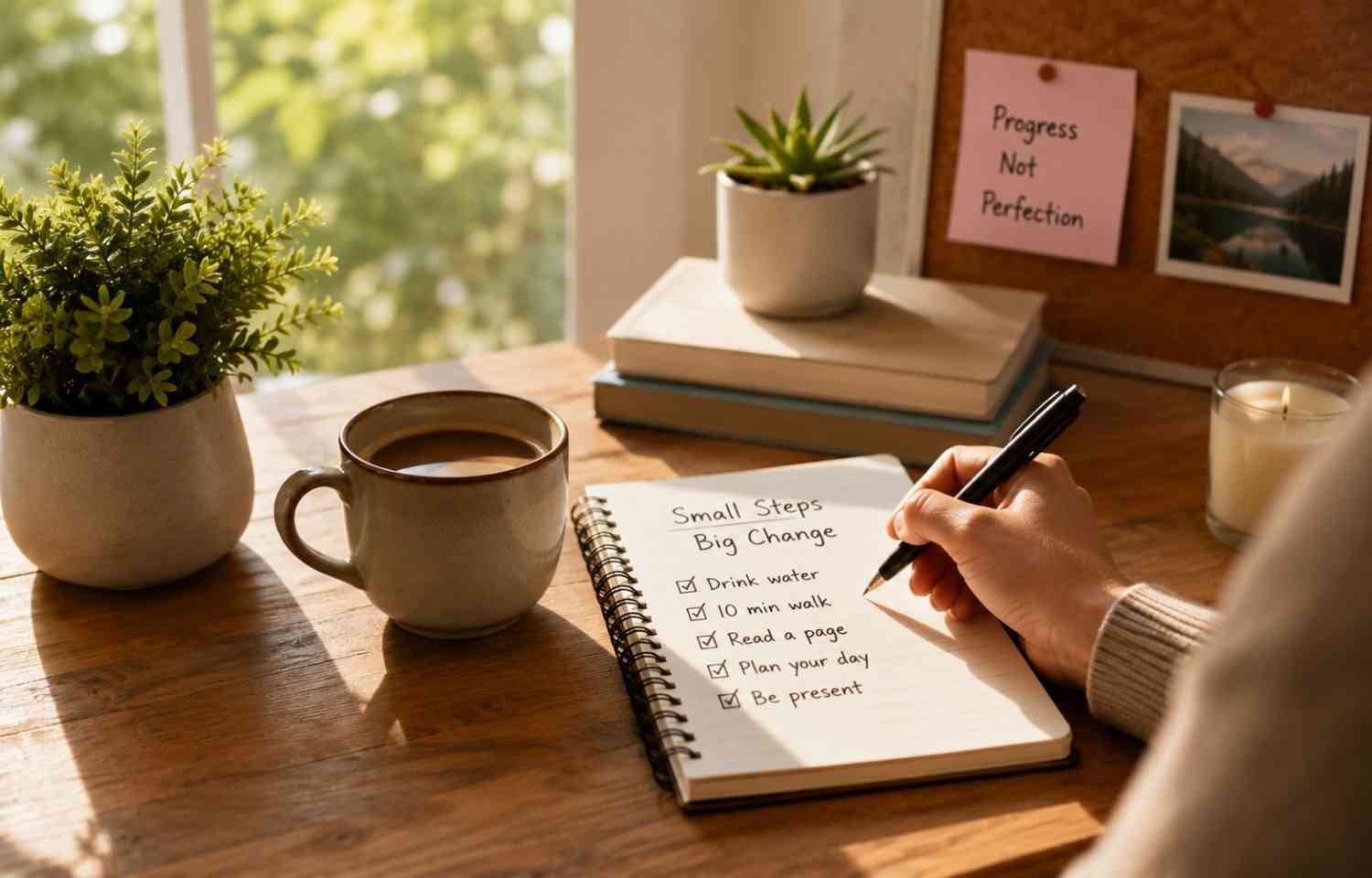
    Use a notebook, calendar, app, or simple checklist. Track only the habit that matters most right now. Mark each day you complete it. When you see a streak forming, you will want to protect it.

    Do not track too many things at once. A simple system is easier to keep than a complicated one.

    Frequently Asked Questions

    1. How long does it take to build self discipline?

    It depends on the habit, but most people feel more consistent after a few weeks of repeating one small behavior daily.

    2. What is the easiest way to start being disciplined?

    Start with one tiny habit, remove one major distraction, and repeat the same action at the same time each day.

    3. Can self discipline be learned?

    Yes, self discipline is a skill. It improves when you practice small promises, build routines, and create an environment that supports better choices.

    4. What is the best tip for how to improve your self discipline?

    The best tip is to stop depending on motivation and build small daily systems that make the right action easier to repeat.

    Final Thoughts

    I believe discipline works best when it fits real life. You do not need a perfect routine, extreme motivation, or a complete personality change. You need one clear rule, one supportive environment, one backup plan, and the courage to restart quickly.

    When I stopped treating discipline like punishment, it became a form of self-respect. Every small promise kept became evidence that I could trust myself. That is where real consistency begins.


  • Personal Growth Journal Prompts For Beginners: 45 Ideas

    Personal Growth Journal Prompts For Beginners: 45 Ideas

    Starting a journal can feel awkward when the blank page looks louder than your thoughts. I learned that personal growth journal prompts for beginners work best when they are simple, honest, and short enough to answer before life interrupts.

    Research on expressive writing shows that structured reflection may support emotional processing and mental well-being, especially when writing feels safe and manageable. Positive journaling has also been linked with better self-regulation and lower distress in some studies.

    Why Beginner Journaling Should Feel Small

    Many beginners quit journaling because they turn it into therapy homework. That is the fastest way to make a notebook feel like another chore.

    A journal should not judge you, grade you, or demand a breakthrough every night. It should help you notice what is true today. That is enough.

    For beginners, the goal is not perfect self-discovery. The goal is pattern recognition. When I started using short prompts, I noticed the same things kept showing up: poor sleep, unfinished tasks, people-pleasing, and vague goals. Once I saw the pattern, I could change it.

    That is why personal growth journal prompts for beginners should focus on simple questions. They help you understand your emotions, habits, decisions, relationships, and goals without creating mental fatigue.

    How To Use Personal Growth Journal Prompts For Beginners

    How To Use Personal Growth Journal Prompts For Beginners

    You do not need a leather notebook, fancy pens, or one peaceful hour near a window. You need five quiet minutes and one honest answer.

    The 5-Minute Mirror Method

    I use a three-part method when I feel stuck. First, I name what I feel. Second, I identify what caused it. Third, I write one small action.

    For example, the structure looks like this:

    Today I feel anxious.
    I think it came from delaying one important task.
    My next action is to finish the first ten minutes of that task.

    This method works because it keeps journaling practical. You are not writing to sound wise. You are writing to understand yourself faster.

    A Simple Worked Example

    Prompt: What drained my energy today?

    Answer: I felt drained after checking my phone every few minutes. It made my work feel scattered. Tomorrow, I will keep my phone in another room for the first hour of work.

    That small answer gives you self-awareness, a habit cue, and a next step. This is where personal growth journal prompts for beginners become useful. They turn reflection into action and these are the simple ways to improve yourself daily.

    Self-Awareness Journal Prompts

    Self-Awareness Journal Prompts

    Self-awareness is the foundation of personal growth. You cannot change what you never notice.

    Use these prompts when you want to understand your feelings, strengths, energy, and identity.

    What gave me the most energy today?

    What drained me more than I expected?

    What are three things I am naturally good at?

    How do I usually react when someone compliments me?

    What emotion am I avoiding right now?

    What did I say yes to when I wanted to say no?

    What kind of person do I feel most relaxed around?

    What part of my daily routine feels most like “me”?

    What do I keep pretending does not bother me?

    What is one truth about myself I am ready to admit?

    These self-awareness journal prompts help you listen to your real life instead of your ideal version of it.

    Limiting Belief And Emotional Growth Prompts

    Limiting Belief And Emotional Growth Prompts

    Personal growth often begins when you question the stories you keep repeating.

    A limiting belief may sound like “I am bad at change,” “I always quit,” or “I cannot speak up.” Writing helps you slow those thoughts down and inspect them.

    Use these prompts when your mindset feels heavy.

    If I knew I could not fail, what would I try?

    What mistake am I still using against myself?

    How do I speak to myself when I mess up?

    What belief about myself feels outdated?

    What fear is making my decision for me?

    What resentment am I ready to release?

    What boundary would protect my peace this week?

    What do I need to forgive myself for?

    What situation keeps stealing my calm?

    What would I say to a friend who felt this way?

    Research suggests journaling can support emotional regulation, mindfulness, and problem-solving. It is not a replacement for professional mental health care, but it can be a useful self-reflection habit.

    Future Vision And Habit Journal Prompts

    A good journal does not only look backward. It also helps you design what comes next.

    These personal growth journal prompts for beginners are useful when you want better goals, clearer routines, and stronger daily habits.

    What is one tiny action that would make tomorrow 1% better?

    What would my ideal morning routine include?

    Who do I want to become in five years?

    What skill have I wanted to learn but keep delaying?

    What does success mean outside of money or job titles?

    What habit would make my life easier six months from now?

    What does my healthiest week look like?

    What kind of discipline feels realistic for me?

    What goal matters because I chose it, not because others expect it?

    What is one promise I want to keep to myself?

    The key is to avoid vague goals. “Be better” is too blurry. “Walk for ten minutes after lunch” is clear.

    Daily Reflection Prompts For Consistency

    Daily Reflection Prompts For Consistency

    Consistency grows when journaling feels easy to repeat.

    Use these prompts at night, after work, or during your morning coffee.

    What went well today?

    What felt harder than it needed to be?

    What did I learn about myself today?

    What is one thing I handled better than before?

    What conversation is still on my mind?

    What am I grateful for right now?

    What do I need less of tomorrow?

    What do I need more of tomorrow?

    What is one small win I should not ignore?

    What is the next right step?

    These daily self-reflection prompts work because they are short. Beginners do not need long entries. They need repeatable entries.

    Beginner Journaling Tips That Actually Stick

    Keep your entries short. Five to ten minutes is enough. One page is enough. One paragraph is enough.

    Do not edit your thoughts while writing. Grammar does not matter. Neat handwriting does not matter. Honest reflection matters more.

    Anchor journaling to something you already do. Write after brushing your teeth, drinking coffee, or getting into bed. A habit is easier to keep when it has a trigger.

    Do not answer every prompt at once. Pick one prompt per day. If one question feels too intense, skip it. Your journal should support growth, not force discomfort.

    I also recommend keeping a “pattern page” once a week. Write three repeating themes you noticed. For example, you may notice that poor sleep affects your confidence, or that saying yes too often creates resentment. That page turns random entries into real insight.

    FAQs

    1. What should beginners write in a personal growth journal?

    Beginners should write about daily emotions, energy levels, habits, goals, boundaries, and small lessons from real situations.

    2. How often should I use personal growth journal prompts for beginners?

    Start with three times a week. Daily journaling is helpful, but consistency matters more than pressure.

    3. Can journaling help with self-improvement?

    Yes. Journaling helps you notice patterns, track habits, understand emotions, and choose better actions with more awareness.

    4. What is the easiest journal prompt to start with?

    The easiest prompt is: What am I feeling right now, and what might be causing it?

    Final Nudge: Your Journal Is Not A Courtroom

    Your journal is not there to cross-examine you. It is there to help you hear yourself clearly.

    When I stopped trying to write perfect entries, journaling became useful. I wrote messy thoughts, tiny wins, honest frustrations, and small next steps. That is where growth started feeling real.

    Pick one prompt today. Write for five minutes. Close the notebook before you overthink it. Tomorrow, do it again.

  • How To Stop Doom Scrolling? 5 Easy Ways to Save Your Sanity

    How To Stop Doom Scrolling? 5 Easy Ways to Save Your Sanity

    Scrolling past endless bad news while sitting in bed at midnight is a habit many of us know all too well. Learning how to stop doom scrolling is the single best gift you can give your mental health this year. Modern algorithms are literally designed to trap your attention, making it incredibly easy to fall into a digital rabbit hole that leaves you feeling anxious, exhausted, and completely drained.

    Key Takeaways

    • Doom scrolling triggers a constant state of fight-or-flight anxiety.
    • High friction tactics naturally break the automatic scrolling loop.
    • Replacing digital triggers with physical habits protects your dopamine levels.
    • Curating mindful social media feeds prevents exposure to constant negativity.
    • Self-compassion is essential when overcoming subconscious behavioral patterns.

    Why This Digital Intervention Is Absolutely Necessary

    Let us be honest, your phone should not feel like an angry slot machine that leaves you feeling exhausted. Figuring out how to stop doom scrolling matters because your brain deserves a break from the constant flood of online panic. Breaking this cycle preserves your precious energy for the real world instead of draining your happiness.

    Create Physical and Visual Friction

    Making it deliberately annoying to access your doom inducing apps ensures you become fully conscious of the habit before you get sucked in.

    Go Dull With Grayscale Mode

    Changing your mobile display settings to black and white takes away the visual power of social networks. Bright icons are engineered to trigger little dopamine spikes that make you want to tap them automatically. 

    Removing these colors makes the entire screen look incredibly unappealing, which immediately drops your desire to stay online.

    Hide Toxic Media Apps

    Hide Toxic Media Apps

    Moving stressful applications off your main home screen forces you to be intentional about opening them. Tuck these icons away inside deep folders or hide them in the back of your app library. This extra step introduces a brief delay that gives your conscious mind time to override your automatic thumb movements.

    Silence Your Digital Intruders

    Turning off non-essential push alerts puts you back in the driver seat of your daily focus. When your device stops flashing and buzzing every time something happens online, you stop feeling the constant urge to check it. You can choose when to look at your notifications instead of letting them disrupt your peace.

    Understand Your Personal Triggers

    Many wellness experts note that we tend to scroll simply to numb out uncomfortable feelings like everyday boredom, stress, or heavy anxiety.

    Use the Five Second Pause

    Use the Five Second Pause

    When you notice your hand automatically reaching for your device, stop moving and wait for five seconds. Take a deep breath and name the exact emotion you are trying to escape in that specific moment. Simply acknowledging that you are feeling lonely or overwhelmed helps you process the emotion without needing a screen.

    Set Designated Windows

    Instead of absorbing negative updates all day long, protect your time by scheduling small blocks for information gathering. Give yourself a brief period during lunch to check what is happening in the world, then close the apps. Keep the first hour of your morning and the last hour of your night entirely phone free.

    Keep Devices Out of Reach

    Placing your smartphone on the opposite side of the room eliminates the temptation of late night browsing. Plug your charger into an outlet far away from your bed so you cannot grab it in the dark. This physical distance ensures you start and end your day grounded in real life.

    Replace Scrolling With Intentional Activities

    Breaking an unhealthy habit or routine is much easier when you replace the movement with a screen free menu of alternative things that naturally boost your mood.

    Move Your Body

    Standing up and walking around your space is a fantastic way to reset a stressed nervous system. Do a few gentle stretches, step outside for fresh air, or grab a glass of water when you feel a digital craving. Physical movement breaks the mental stagnation that keeps you glued to a chair.

    Engage in Active Play

    Swapping passive content consumption for active engagement gives your mind a healthier outlet for focus. Spend your free moments solving a tactile puzzle, playing a strategy video game, or reading a physical book. These choices keep your brain happily occupied without exposing you to stressful news cycles.

    Enjoy Creative Expression

    Enjoy Creative Expression

    Channeling your energy into making something real keeps your hands busy and your mind calm. Try writing down your thoughts in a journal for emotional awareness, doodling on paper, or calling an old friend for a genuine chat. Creating your own joy is infinitely more rewarding than reading opinions from strangers online.

    Frequently Asked Questions

    1. Is doom scrolling an ADHD thing?

    Yes, it is highly common because people with ADHD naturally have lower baseline dopamine levels. Because modern social media platforms offer rapid and unpredictable stimulation, individuals with ADHD often find themselves falling into extended, hyper-focused scrolling loops to satisfy their brain’s need for chemical rewards.

    2. How to stop uncontrollable scrolling?

    You can break the cycle by introducing immediate physical friction into your immediate environment. Try putting your phone in a separate room, turning on grayscale display mode, using a strict app-blocking timer, and immediately replacing the device with an engaging offline activity like reading a book.

    3. How unhealthy is doom scrolling?

    Consuming continuous negative media tricks your nervous system into a chronic state of fight or flight stress. Over time, this elevates your baseline cortisol levels, severely disrupts your natural sleep patterns, increases daily anxiety, and decreases your overall attention span in real life.

    4. Why do I get stuck in doom scrolling?

    Your mind possesses an ancient evolutionary bias that prioritizes negative information to keep you safe from perceived environmental dangers. App developers exploit this trait using infinite scroll features, trapping your subconscious mind in a loop of seeking answers to feel secure.

    Real Freedom From the Matrix Is Waiting

    Breaking a deep-seated digital habit takes time, patience, and plenty of gentle self-compassion. Now that you know how to stop doom scrolling, you have the practical tools to protect your energy and build a peaceful life. Every small choice to put your phone down is a massive victory for your personal growth, mental clarity, and long-term happiness.

  • How To Become More Disciplined In Life: 7 Real Steps

    How To Become More Disciplined In Life: 7 Real Steps

    Why Discipline Is Not About Feeling Motivated

    Learning how to become more disciplined in life starts with one honest truth: motivation is moody. It shows up late, leaves early, and often disappears when the work gets boring.

    I used to think disciplined people had stronger willpower. Now I see it differently. They usually have fewer daily arguments with themselves. They build systems that make the right action easier and the wrong action harder.

    The American Psychological Association defines willpower as resisting short-term temptation to meet long-term goals. Research also links self-control with everyday goal achievement, especially when desires conflict with long-term plans. Discipline is not magic. It is repeatable behavior under pressure.

    Start With One Tiny Rule

    Start With One Tiny Rule

    Big discipline plans often fail because they demand a brand-new identity overnight. That sounds exciting on Sunday night and exhausting by Tuesday morning.

    Start with one tiny rule instead. Read one page. Walk for five minutes. Write three lines. Clear your desk before bed. Tiny habits lower resistance, which helps you act before your brain starts negotiating.

    The Five-Minute Entry Point

    When I cannot focus, I use a five-minute entry point. I do not promise to finish the whole task. I only promise to start for five minutes.

    That small start matters because habit research shows repeated actions in stable contexts can become more automatic over time. The goal is not to force discipline forever. The goal is to make the behavior easier to repeat.

    Build An Environment That Behaves Better Than You Do

    Build An Environment That Behaves Better Than You Do

    Your environment trains you all day. If your phone is beside you, your brain has to keep rejecting it. That is tiring.

    When I want deeper focus, I move my phone to another room. If I want to eat better, I stop keeping easy junk food nearby. If I want to avoid late-night scrolling, I charge my phone away from my bed.

    This is one of the most practical answers to how to become more disciplined in life because it removes temptation before willpower gets involved. Discipline becomes easier when your surroundings stop working against you.

    Use Routines To Remove Daily Negotiation

    Discipline weakens when every action becomes a debate. Should I work out? Should I write? Should I sleep now? Should I check my phone?

    Routines reduce those decisions. A fixed routine tells your brain, “This is what happens next.”

    My Simple Morning Discipline Stack

    My easiest discipline stack looks like this: wake up, drink water, make the bed, review one priority, then start the first task before checking messages.

    It is not glamorous. That is why it works. The routine is simple enough to repeat on tired days.

    Sleep also matters here. The CDC says sleep supports mood, attention, memory, heart health, and daily performance. Mayo Clinic also recommends a consistent sleep schedule because consistency supports the body’s sleep-wake cycle.

    Train Delayed Gratification In Small Moments

    Train Delayed Gratification In Small Moments

    Delayed gratification sounds intense, but it can be trained quietly. Wait ten minutes before opening social media. Finish one work block before coffee. Save the episode until after your task.

    These small waits teach your brain that urges are not commands. You can notice a craving without obeying it.

    This is where discipline becomes identity-based. Instead of saying, “I am trying not to procrastinate,” say, “I am someone who starts before I feel ready.”

    That small language shift changes the emotional tone. You stop begging yourself to behave. You start acting like the person you are becoming.

    Add Accountability Before You Need It

    Private goals are easy to abandon because nobody sees the exit. Accountability adds healthy pressure.

    Tell a trusted friend your daily target. Track your habit on paper. Join a group. Set a small consequence for skipping the rule. The consequence does not need to be harsh. It just needs to make avoidance less comfortable.

    For example, I once used a simple rule: if I skipped my writing block, I had to clean my workspace before doing anything fun. It worked because the penalty was immediate, annoying, and useful.

    Use Journaling To Build A Disciplined Identity

    Use Journaling To Build A Disciplined Identity

    Journaling helps you spot patterns. You can see what triggers distraction, what time you work best, and which excuses repeat.

    Use personal growth journal prompts to ask better questions, such as: What did I avoid today? What made discipline easier? What temptation kept winning? What is one small rule I can repeat tomorrow?

    This makes how to become more disciplined in life less vague. You stop judging yourself and start collecting evidence.

    The 3-Minute Reset Rule For Bad Days

    Bad days do not destroy discipline. Dramatic reactions do.

    My original rule is simple: when the day goes off track, take three minutes to reset. First, name the problem. Second, choose the next smallest action. Third, restart without punishing yourself.

    Example: “I lost two hours scrolling. I will put my phone in another room and work for five minutes.”

    Tracking your resets can also show patterns over time, which is why learning how to track personal growth progress helps you see discipline as steady improvement, not daily perfection.

    That is it. No speech. No shame spiral. No fake promise to become perfect tomorrow.

    Discipline grows faster when recovery is quick.

    FAQs

    1. How can I become disciplined if I am lazy?

    Start with a task so small it feels almost silly, then repeat it daily until action feels normal.

    2. How long does it take to build discipline?

    It varies by habit, but consistency, stable cues, and repetition make habits more automatic over time.

    3. How do I stay disciplined when I lose motivation?

    Use routines, environment design, and accountability instead of waiting for motivation to return.

    4. What is the first step in how to become more disciplined in life?

    Choose one tiny daily rule and protect it for seven days.

    Final Take: Discipline Looks Better On You Than Excuses

    I like discipline because it removes drama. You do not need to wake up as a brand-new person. You need one rule, one cleaner environment, one routine, and one honest reset when things go sideways.

    Start today with a five-minute action. Make it too easy to skip, then repeat it tomorrow. That is how discipline stops being a wish and starts becoming your normal personality.

  • Ways to Stay Consistent With Your Goals Through Small Everyday Actions

    Ways to Stay Consistent With Your Goals Through Small Everyday Actions

    Most people begin a new goal with plenty of excitement. The first few days feel easy because motivation is high, the outcome feels possible, and everything seems fresh. But after regular responsibilities, busy schedules, and unexpected problems appear, that initial energy naturally starts to fade. This is usually when many people think they lack discipline, when the real challenge is often the system they are following.

    The most reliable ways to stay consistent with your goals are usually built around small choices repeated every day. Huge lifestyle changes may feel inspiring at first, but simple actions are easier to maintain when life gets complicated. Real progress often comes from building routines that fit your actual schedule instead of waiting for perfect conditions.

    Why Small Actions Create Bigger Long-Term Results

    Why Small Actions Create Bigger Long-Term Results

    Consistency works because repeated actions create patterns. When you practice something regularly, your brain starts recognizing it as part of your normal routine. This process, often connected with habit formation and behavior change, helps reduce the effort required to keep going.

    Small actions may not look impressive immediately, but they create momentum. Reading five pages daily, walking for ten minutes, or practicing a skill for a short period can produce noticeable progress over months. The idea is similar to compounding: tiny improvements build on each other.

    Many people quit because they design routines that only work on their best days. A better approach is creating habits you can continue even during stressful or busy periods.

    Start With Actions That Feel Easy to Complete

    One of the most effective ways to stay consistent with your goals is making the starting point incredibly simple. Large goals often create pressure because the first step feels too difficult.

    For example, instead of committing to an intense one-hour workout every day, start with five minutes of movement. Instead of planning to finish several chapters of a book, start by reading a few pages.

    The goal is not to limit yourself forever. The goal is to remove the resistance that prevents you from starting. Once you begin, continuing often feels much easier.

    This method works because taking action creates motivation, not always the other way around. Waiting until you feel ready can slow progress, while small actions keep you moving.

    Connect New Habits With Existing Routines

    Connect New Habits With Existing Routines

    Building new habits becomes easier when you attach them to something you already do daily. This method is often called habit stacking because you connect a new behavior with an existing routine.

    For example:

    • After making morning coffee, write your top priority for the day.
    • After brushing your teeth, stretch for two minutes.
    • After closing your laptop, prepare tomorrow’s task list.

    Your current routine becomes a reminder for the new action. Instead of relying on memory or motivation, you create a natural trigger.

    This approach also supports better time management because your habits become part of your lifestyle rather than extra tasks competing for attention.

    Create an Environment That Supports Your Goals

    Your surroundings have a major influence on your daily decisions. If your environment constantly creates distractions, staying consistent becomes much harder.

    Simple changes can make positive habits easier. Keeping a water bottle nearby encourages hydration. Leaving workout clothes ready reduces the effort needed to exercise. Placing a book somewhere visible reminds you to read.

    Successful routines are often designed around convenience. When helpful actions are easier to access, you naturally repeat them more often.

    Your environment should reduce unnecessary choices as much as possible. Creating clear routines, preparing ahead, and removing distractions are also helpful steps when learning how to manage decision fatigue while working toward long-term personal goals.

    Focus on Daily Progress Instead of Perfect Outcomes

    Focus on Daily Progress Instead of Perfect Outcomes

    Many people lose consistency because they only measure the final result. Goals like reaching a certain fitness level, building a career milestone, or learning a new skill take time.

    When results feel far away, motivation can decrease. Tracking your daily actions gives you something immediate to recognize.

    Instead of only focusing on the outcome, track things like:

    • Days you completed your routine
    • Time spent practicing
    • Small improvements you noticed
    • New habits you maintained

    These progress markers provide encouragement and remind you that your effort matters.

    Personal development is rarely a straight path. Some days will feel productive, while others will feel slower. Consistency comes from continuing through both.

    Avoid Making Your Routine Too Complicated

    A common mistake people make is adding too many changes at once. Starting a new morning routine, workout plan, learning schedule, and productivity system together can quickly become overwhelming.

    Choose one or two important habits first. Once they become natural, add something new. Sustainable routines develop through patience and repetition.

    Self-discipline improves when your goals feel realistic. You do not need a perfect routine to achieve long-term goals. You need a routine you can repeat.

    Frequently Asked Questions: Ways to Stay Consistent With Your Goals Through Small Everyday Actions

    1. What are the best ways to stay consistent with your goals?

    The best ways to stay consistent with your goals include starting small, creating simple routines, tracking progress, and building habits around actions you can repeat daily. Long-term consistency improves when your system feels realistic.

    2. Why is it difficult to stay consistent with goals?

    Consistency becomes difficult when goals depend only on motivation. Stress, busy schedules, unclear plans, and unrealistic expectations can make habits harder to maintain.

    3. How long does it take to build a consistent habit?

    The time needed to build a habit varies based on the behavior, routine, and individual. Repeating small actions regularly helps strengthen the habit formation process over time.

    4. How can I stay motivated when progress feels slow?

    Focus on your daily actions instead of only the final outcome. Recognizing small improvements helps maintain motivation and keeps you connected to your long-term progress.

    Small Choices That Shape Long-Term Success

    Consistency is not usually built through dramatic changes. It grows through ordinary choices that slowly become part of who you are. The habits you repeat, the environment you create, and the routines you follow influence your progress more than occasional moments of motivation. Small steps may feel simple, but they create the foundation for meaningful personal growth.

    The easiest goals to maintain are the ones that become part of everyday life. When your actions feel natural, consistency becomes something you practice instead of something you chase.

  • Personal Growth Mindset Exercises That Actually Work

    Personal Growth Mindset Exercises That Actually Work

    I used to think a growth mindset meant telling myself, “I can do anything,” even when I clearly could not. That did not work. What helped me more was using personal growth mindset exercises that made failure feel less dramatic and effort feel more useful.

    A growth mindset means seeing skills as changeable through effort, strategy, feedback, and practice. Stanford notes that Carol Dweck coined the term, and defines it as reframing failures as chances to learn and grow. Research on neuroplasticity also shows the brain can change its structure and function in response to experience.

    Why Growth Mindset Exercises Work Better Than Motivation

    Motivation feels good, but it fades fast. Exercises work because they give your brain a repeatable script when life gets uncomfortable.

    The goal is not to pretend every setback is amazing. That gets annoying quickly. The goal is to respond with better questions. Instead of asking, “Why am I bad at this?” I ask, “What is the next useful move?”

    That one shift changes the whole emotional temperature.

    Cognitive Reframing Exercises for a Growth Mindset

    Cognitive Reframing Exercises for a Growth Mindset

    Use the “Power of Yet” Without Sounding Corny

    The “power of yet” is simple. When I catch myself saying, “I cannot do this,” I add “yet.”

    “I cannot write clearly yet.”
    “I cannot stay consistent yet.”
    “I cannot speak confidently yet.”

    The word “yet” keeps the door open. It does not erase the problem. It reminds me that my current skill level is not my final identity.

    Translate Fixed Thoughts Into Process Thoughts

    Fixed mindset language attacks your identity. Growth mindset language improves your method.

    When I write, “I am bad at discipline,” I change it to, “I do not have a repeatable routine yet.”

    When I write, “I always fail,” I change it to, “My current strategy breaks when I feel tired.”

    That sentence gives me something to fix.

    Practice Being Wrong on Purpose

    This one bruises the ego, but it works. Once a week, I pick one belief and try to find evidence against it.

    The goal is not to embarrass myself. The goal is to update my thinking faster. Being wrong becomes less scary when I treat it like a software update.

    Reflective Journaling Exercises That Build Mental Flexibility

    Reflective Journaling Exercises That Build Mental Flexibility

    The Judgment-Free Mistake Reframe

    After a setback, I write what happened without insults.

    Bad version: “I was lazy and ruined everything.”
    Better version: “I skipped my planned workout after a stressful workday.”

    Then I write one lesson. For example: “I need a 10-minute backup workout for tired days.”

    This makes mistakes useful instead of dramatic.

    Run a Rejection Audit

    Rejection feels final when it happens. Later, it often becomes a redirect.

    I list three rejections from my past. Then I write what each one forced me to learn. A failed interview may have improved my communication. A rejected pitch may have sharpened my writing. A missed opportunity may have pushed me toward better habits.

    This exercise helps me stop treating rejection as proof that I am stuck.

    Praise the Process, Not the Personality

    At night, I write two sentences about effort, strategy, or persistence.

    “I stayed with the hard task for 25 minutes.”
    “I asked for feedback instead of avoiding it.”
    “I changed my plan instead of quitting.”

    This matters because praising traits can make people protect their image. Praising process makes improvement feel repeatable.

    Behavior-Based Personal Growth Mindset Exercises

    Behavior-Based Personal Growth Mindset Exercises

    Try the 30-Day New Skill Challenge

    Pick one small skill outside your comfort zone. Practice it daily for 30 days.

    It can be sketching, coding, learning Spanish, doing pushups, or practicing public speaking. Keep the daily session short. Ten minutes is enough.

    Track consistency, not quality. The win is proving that awkward beginnings do not kill you.

    Ask for One Specific Blind Spot

    Feedback works best when the question is small.

    Ask someone you trust: “What is one blind spot in my current approach, and what is one step I can take to improve it?”

    Do not ask, “Any feedback?” That gets vague answers. A focused question gets useful information.

    Use the 20-Minute Struggle Rule

    This is my favorite original exercise.

    Choose a puzzle, hard article, technical tutorial, or difficult task slightly above your level. Work on it for 20 minutes without searching for the answer.

    The goal is not to solve it fast. The goal is to teach your nervous system that confusion is safe.

    After 20 minutes, write what you tried. Then look for help. This builds patience, focus, and problem-solving strength.

    If your energy drops while practicing hard tasks, learning how to conquer afternoon slump can help you reset your focus instead of quitting too early.

    How to Turn Growth Mindset Into a Daily Habit

    Growth mindset does not grow through slogans. It grows through repetition.

    I pair these exercises with existing routines. After brushing my teeth, I write one process-based self-praise sentence. After work, I do a quick mistake reframe. Before starting a hard task, I remind myself: “Twenty minutes before escape.”

    Habit stacking keeps the practice realistic. If you want stronger follow-through, connect these mindset habits with routines from how to become more disciplined in life.

    Common Mistakes That Make Growth Mindset Exercises Fail

    The first mistake is using fake positivity. Saying “failure is great” when you feel crushed is not helpful. A better line is, “This feels bad, but it can still teach me something.”

    The second mistake is ignoring strategy. Effort alone is not magic. If your method keeps failing, change the method.

    The third mistake is expecting instant confidence. Growth mindset starts before confidence appears. You act first. Confidence catches up later.

    Research on growth mindset interventions is also mixed. Some reviews suggest results depend heavily on design and context, so these exercises should not be treated as magic fixes. They work best when paired with action, feedback, and better systems.

    FAQs About Personal Growth Mindset Exercises

    1. What are the best personal growth mindset exercises for beginners?

    Start with the power of yet, a mistake reframe, and one process-based self-praise sentence daily.

    2. How long does it take to build a growth mindset?

    You may notice small shifts in weeks, but lasting change needs repeated practice and feedback.

    3. Can adults develop a growth mindset?

    Yes. Adults can build new habits and thinking patterns because the brain remains adaptable through experience.

    4. What is a simple growth mindset activity for daily life?

    Before quitting a hard task, work on it for 20 minutes and write what you tried.

    Final Spark: Your Ego Can Survive the Upgrade

    A growth mindset is not about becoming fearless. It is about becoming less fragile when life gives you feedback.

    Start with one exercise today. Add “yet” to one limiting thought. Reframe one mistake. Sit with one hard task for 20 minutes. Your brain does not need a motivational speech. It needs proof that you are still willing to practice.

  • Practical Daily Routines That Increase Mental Clarity and Keep You Focused

    Practical Daily Routines That Increase Mental Clarity and Keep You Focused

    Some days feel mentally heavy before they even begin. You wake up, check your phone, jump between messages, handle endless decisions, and suddenly your mind feels scattered before you have done anything meaningful. Many people assume they need a complete lifestyle change to feel focused, but small routines often create the biggest difference.

    The right daily habits can improve how you think, work, and manage your energy. Practical daily routines that increase mental clarity are not about creating a perfect schedule. They are about removing unnecessary distractions, supporting your brain, and building simple patterns that help you stay present throughout the day.

    Why Mental Clarity Starts With Everyday Habits

    Why Mental Clarity Starts With Everyday Habits

    Mental clarity comes from reducing the amount of unnecessary information your brain has to process. When your day is filled with constant notifications, multitasking, and rushed decisions, your cognitive load increases. Over time, this can affect your attention span, creativity, and ability to make thoughtful choices.

    Strong routines create structure. They allow your brain to save energy because you are not constantly deciding what to do next. Similar to physical health, mental performance improves through repeated behaviors that support focus, emotional balance, and better decision-making.

    Protect Your Morning Before Distractions Take Over

    The way you begin your morning often influences your focus for the rest of the day. Reaching for your phone immediately after waking can overload your brain with messages, news, and social updates before your mind has fully adjusted.

    One helpful habit is keeping the first 30–60 minutes of your morning screen-free. Instead of checking emails or scrolling, give yourself time to wake up naturally. Simple actions like drinking water, stretching, or stepping outside for natural light can prepare your brain for the day ahead.

    Morning sunlight also helps regulate your circadian rhythm, which plays an important role in sleep quality and daytime energy levels. Better sleep patterns often lead to sharper thinking, improved concentration, and fewer moments of mental fog.

    Use Movement to Wake Up Your Mind

    Use Movement to Wake Up Your Mind

    Exercise does not always need to mean an intense workout. Even 10–15 minutes of light movement can support mental energy by increasing blood flow and helping your body transition into an active state.

    A short walk, basic stretching routine, yoga session, or simple mobility exercises can improve alertness and reduce stress. Physical activity also supports brain health by encouraging the release of chemicals connected to mood and focus.

    The goal is consistency, not perfection. A realistic routine you can maintain every day usually provides more value than an extreme routine you quit after a week.

    Stop Multitasking and Build Deeper Focus

    Many people believe multitasking helps them accomplish more, but the brain is actually switching attention between different activities. This constant task-switching uses extra mental energy and often reduces productivity.

    Deep focus comes from creating uninterrupted periods of attention. Techniques like working for focused intervals followed by short breaks can help maintain concentration without causing burnout.

    A few simple focus-supporting habits include:

    • Turning off unnecessary notifications during important tasks
    • Keeping your workspace clean and organized
    • Taking short breaks away from screens
    • Completing one meaningful task before starting another

    Small environmental changes can make it easier to protect your attention and avoid distractions.

    Support Mental Clarity Through Better Daily Choices

    Support Mental Clarity Through Better Daily Choices

    Your everyday lifestyle choices directly affect how clearly you think. Hydration, balanced meals, and proper rest all influence your ability to focus.

    After several hours without water overnight, rehydrating in the morning can help reduce feelings of tiredness. Eating balanced meals with whole foods, protein, healthy fats, and nutrient-rich ingredients can also support steady energy.

    Instead of relying on quick sugar-heavy snacks that may lead to energy crashes, options like nuts, fruit, and protein-rich foods can provide more stable fuel for your mind.

    Make Your Routine Simple Enough to Maintain

    A routine only works when it fits your real life. Many people fail because they create schedules that require too much energy to maintain. Starting small makes habits easier to repeat.

    Building simple daily systems is one of the most practical ways to stay consistent with your goals because progress becomes part of your normal routine instead of something that depends only on motivation.

    The best daily routines that increase mental clarity are usually the ones that feel natural. A few intentional habits practiced regularly can create lasting improvements in focus and overall well-being.

    Frequently Asked Questions: Practical Daily Routines That Increase Mental Clarity and Keep You Focused

    1. What are the best daily routines that increase mental clarity?

    The best routines include limiting morning screen time, staying hydrated, exercising regularly, planning important tasks, taking breaks, reducing multitasking, and maintaining quality sleep habits.

    2. How long does it take to improve mental clarity with daily habits?

    Many people notice small improvements within a few weeks when they consistently practice healthier routines. Long-term benefits depend on regular habits, sleep quality, stress levels, and lifestyle choices.

    3. Can exercise help improve focus and concentration?

    Yes. Regular movement supports blood flow, mood, and cognitive performance. Even short periods of light physical activity can help improve alertness and mental energy.

    4. Why does reducing screen time help mental clarity?

    Reducing unnecessary screen time lowers distractions and information overload. It gives your brain more space for focused thinking, creativity, and better attention management.

    Small Daily Habits That Create a Clearer Mind

    Mental clarity is rarely created by one major change. It usually comes from the small choices repeated every day. Protecting your mornings, moving your body, planning intentionally, and giving your brain enough recovery time all work together to create a stronger foundation for focus. A clear mind grows from routines that support your natural energy instead of constantly pushing through exhaustion.

    Simple habits become powerful when they become part of your lifestyle. The clearer your routine becomes, the easier it is to think, focus, and handle each day with more control.

  • Mindset Shifts That Change Your Life in Small Daily Ways

    Mindset Shifts That Change Your Life in Small Daily Ways

    I used to think big life changes needed dramatic decisions, perfect timing, or a complete personality reset. But the older I get, the more I realize that the biggest breakthroughs often start with small inner changes. The way I speak to myself, handle failure, manage pressure, and respond to fear can quietly shape everything.

    That is why mindset shifts that change your life matter so much. They help you stop living on autopilot and start choosing your thoughts with more intention. You do not need to become a completely different person overnight. You only need to practice better thinking patterns one day at a time.

    Why Small Mindset Shifts Matter

    Your mindset controls how you react before you even make a decision. If you believe one mistake means failure, you may quit early. If you believe one mistake is feedback, you keep growing.

    Small mindset changes work because they are realistic. They fit into busy mornings, stressful workdays, family responsibilities, money worries, and personal goals. You can use them while driving, journaling, exercising, working, or simply taking a quiet minute before reacting.

    Learning how to build a better mindset every day helps you turn small thought changes into steady habits that support calmer decisions, stronger confidence, and long-term growth.

    10 Mindset Shifts That Can Change Your Life

    10 Mindset Shifts That Can Change Your Life

    From “I Failed” to “I Learned”

    Failure feels painful, but it is not final. When I started seeing failure as information, I stopped treating every setback like proof that I was not good enough.

    Instead of asking, “Why did this happen to me?” ask, “What can this teach me?” That simple question turns disappointment into direction.

    From Perfection to Progress

    Perfection delays growth. Progress builds it. Waiting until everything feels perfect can keep you stuck for months or even years.

    A better mindset is to start messy, improve slowly, and trust repetition. One finished imperfect step is more powerful than ten perfect plans sitting untouched.

    From Waiting to Starting

    Many people wait for motivation, confidence, money, approval, or free time. But starting usually creates the confidence you were waiting for.

    You do not need a perfect plan to begin. You can take one small action today, then adjust tomorrow. Action gives your mind proof that change is possible.

    From Overthinking to Action

    Overthinking feels productive, but it often hides fear. You replay every outcome, compare every option, and convince yourself you are “preparing.”

    The shift is simple: think enough to choose the next step, then move. Clarity often comes after action, not before it.

    From Burnout to Rest

    Rest is not laziness. Rest is maintenance. When I stopped treating exhaustion like a badge of honor, I became more focused, patient, and creative.

    A healthy life needs sleep, quiet time, movement, and mental breaks. You cannot build your dream life with an empty tank.

    From Comparison to Self-Respect

    Comparison steals joy because it makes someone else’s timeline look like your deadline. You may see their results, but you rarely see their sacrifices, support system, or private struggles.

    Self-respect means measuring your growth against your own past, not someone else’s highlight reel.

    From Control to Acceptance

    Some things deserve your effort. Other things deserve your release. Trying to control every outcome can make life feel heavier than it needs to be.

    Acceptance does not mean giving up. It means knowing where your energy belongs and where it does not.

    From Fear to Curiosity

    Fear often says, “What if this goes wrong?” Curiosity asks, “What could I learn from trying?”

    This shift helps you approach new goals, conversations, opportunities, and changes with less pressure. Curiosity makes growth feel less like a test and more like an experiment.

    From Someday to Today

    “Someday” sounds hopeful, but it can become a hiding place. Someday I will write, start, apply, save, heal, travel, learn, or change.

    The better question is, “What is the smallest version I can do today?” That turns a distant dream into a real habit.

    From Scarcity to Gratitude

    Scarcity focuses on what is missing. Gratitude helps you notice what is already working.

    This does not mean ignoring real problems. It means training your mind to see support, progress, lessons, and small wins while you continue building more.

    How to Practice These Mindset Shifts Daily

    How to Practice These Mindset Shifts Daily

    The best way to practice mindset shifts that change your life is to connect them to real moments. When something goes wrong, pause before reacting. When you compare yourself, name one thing you are proud of. When you feel stuck, take one small action.

    Journaling also helps. Write one old thought and one better replacement thought each day. For example, change “I am behind” into “I am building at my own pace.” Over time, these replacements become your default thinking pattern.

    Building daily mindset habits for success can make these shifts easier to repeat until better thinking becomes part of your normal routine.

    Frequently Asked Questions

    1. What are mindset shifts that change your life?

    Mindset shifts that change your life are simple changes in thinking that help you respond to failure, fear, stress, goals, and growth in a healthier way.

    2. How long does it take to change your mindset?

    It depends on consistency. You may notice small changes quickly, but lasting mindset growth usually comes from daily practice, reflection, and repeated action.

    3. Can mindset shifts improve confidence?

    Yes. When you stop judging yourself harshly and start focusing on progress, learning, and action, confidence becomes easier to build.

    4. What is the best mindset shift to start with?

    Start with progress over perfection. It helps you take action faster, reduce pressure, and build momentum without waiting for perfect conditions.

    A Better Way Forward

    I believe the life you want starts with the thoughts you repeat most often. When I choose progress over perfection, learning over failure, and action over overthinking, I feel more in control of my growth.

    You do not need to change everything today. Choose one shift, practice it honestly, and let it shape your next decision. Small inner changes can create a completely different outer life.

  • How To Conquer Afternoon Slump To Stay Energized & Focused

    How To Conquer Afternoon Slump To Stay Energized & Focused

    The afternoon can feel like a sneaky little energy thief. One minute you are working fine, and the next minute your focus disappears, your eyes feel heavy, and your brain starts asking for coffee. Learning how to conquer afternoon slump is not about pushing harder. It is about building simple self-improvement habits that help your body and mind stay steady.

    Key Takeaways

    • Better lunch choices can reduce afternoon fatigue.
    • Water, sunlight, and movement help restore focus.
    • Short rests work better than endless scrolling.
    • Late caffeine can hurt nighttime sleep.
    • Small daily habits build stronger energy.

    What Causes Afternoon Slump

    Understanding the cause makes the fix easier and more realistic.

    Your Body Has A Natural Dip

    Your body does not run at full speed all day. Most people feel a natural drop in alertness after lunch because of their internal body clock. This is one reason the 2 PM or 3 PM crash feels so common.
    This does not mean you are lazy or unmotivated. It simply means your body needs better support during that low-energy window. Self-improvement starts when you stop blaming yourself and start reading your body’s signals.

    Heavy Lunches Slow You Down

    A carb-heavy lunch can make your body work harder to digest food. Meals loaded with white bread, pasta, fries, sweets, or sugary drinks may create a quick rise in energy followed by a sharp crash.
    A balanced lunch works better because it supports steady blood sugar. Protein, fiber, and healthy fats help your body release energy slowly, so your brain does not feel foggy one hour later.

    Dehydration Looks Like Fatigue

    Dehydration Looks Like Fatigue

    Many people reach for coffee when they actually need water. Even mild dehydration can make you feel sleepy, unfocused, irritated, and mentally slow.
    Keeping a water bottle near your desk is a simple but powerful habit. Sipping throughout the day prevents your energy from falling too low before you notice the problem.

    Optimize Your Lunch And Snacks

    Food is one of the biggest keys to stable afternoon energy.

    Balance Your Plate

    A smart lunch should include protein, fiber, and colorful whole foods. Aim for foods like eggs, chicken, turkey, fish, beans, tofu, Greek yogurt, vegetables, fruits, oats, nuts, and whole grains.

    A good self-improvement rule is simple: build lunch for focus, not just fullness. A meal with 20 to 30 grams of protein and 5 to 10 grams of fiber can help you stay sharp longer.

    Avoid The Sugar Trap

    Sugary snacks may feel like a rescue plan, but they often create a second crash. Candy, soda, pastries, and sweet coffee drinks can give quick energy, then leave you more tired than before.
    Choose snacks that support steady energy instead. Greek yogurt, nuts, string cheese, apple slices with peanut butter, hummus, boiled eggs, or beef jerky can help you feel satisfied without the roller coaster.

    Eat Before You Crash

    Waiting until you are completely drained makes it harder to choose wisely. Plan your afternoon snack before your energy disappears.
    This is a small but smart productivity habit. You are not just feeding your body. You are helping your future self make better choices when willpower is low.

    How To Conquer Afternoon Slump Naturally

    This is the practical reset routine you can use during a real workday.

    Drink Water First

    The first step in how to conquer afternoon slump is simple: drink water before you do anything else. A full glass of water can help refresh your body and clear some of the fog.
    Do not wait until you feel thirsty. Keep water nearby and sip during the morning and afternoon. This tiny habit supports focus, mood, digestion, and better daily energy.

    Take A 15-Minute Walk

    A short walk is one of the easiest ways to wake up your body. It increases blood flow, brings oxygen-rich blood to your brain, and breaks the sleepy cycle created by sitting too long.
    If possible, walk outside in natural sunlight. This simple routine supports your circadian rhythm, improves alertness, and gives your mind a refreshing break from screens.

    Stretch And Breathe

    Stretch And Breathe

    If you cannot go outside, stand up and move indoors. Try gentle shoulder rolls, neck stretches, squats, calf raises, or a few easy yoga poses.
    Pair movement with slow breathing. A few deep breaths can calm stress and help your brain feel less scattered. The goal is not a workout. The goal is a reset.

    Use Light And Rest Wisely

    Energy is not only about doing more. Sometimes, it is about resting better.

    Step Into Natural Light

    Sunlight is one of the strongest signals for your sleep-wake cycle. Afternoon light tells your brain that it is still time to stay alert.
    Open the blinds, sit near a window, or step outside for a few minutes. Natural light can make your afternoon feel less heavy, especially if you work indoors all day.

    Try A Power Nap

    A short nap can help if your schedule allows it. Keep it between 15 and 20 minutes so you do not wake up groggy.
    Set a timer and avoid turning a quick rest into a long sleep session. A short nap can refresh your mind without hurting your nighttime sleep routine.

    Take A Real Break

    Scrolling through social media may look like a break, but it often adds more noise to your brain. A better break gives your mind space to breathe.

    Look outside, tidy your desk, close your eyes, journal one sentence, or walk away from your screen. Real rest helps you return with more focus.

    Manage Caffeine Smarter

    Coffee is useful, but it should not become your only energy plan.

    Cut Off Late Coffee

    Caffeine blocks sleepiness, but having it too late can disturb your nighttime sleep. Poor sleep then creates another afternoon crash the next day.

    For many people, stopping caffeine after 2 PM is a helpful habit. You can test your own limit and notice how your sleep and energy respond.

    Try Green Tea

    Green tea can be a gentler afternoon option. It gives a lighter energy lift and contains natural antioxidants.

    It may not hit like strong coffee, but that is the point. You want steady alertness, not a wired feeling that ruins your evening.

    Do Not Use Coffee As A Mask

    Coffee should not hide poor sleep, low hydration, weak meals, or burnout every day. If you always need caffeine to survive the afternoon, your routine may need attention.

    Start with the basics first. Water, lunch quality, sunlight, movement, and sleep usually create a stronger foundation than another cup.

    Build A Better Afternoon Mindset

    Your thoughts can either drain energy or help you recover it. Building simple ways to improve yourself daily can make your afternoon reset feel easier, more natural, and less forced.

    Stop Calling Yourself Lazy

    Stop Calling Yourself Lazy

    A low-energy afternoon does not mean you are failing. Your body may simply need fuel, movement, hydration, light, or rest.

    Instead of saying, “I am lazy,” try saying, “My energy is low, so I need a reset.” That one sentence turns shame into action.

    Choose One Small Task

    A long to-do list can feel impossible when your energy is low. The better move is to choose one clear task.
    Reply to one message, finish one paragraph, clean one area, or plan one next step. Small wins rebuild momentum and make the afternoon feel manageable again.

    When your mind feels scattered, using focus improvement strategies can help you narrow your attention and finish one manageable task instead of forcing yourself through the whole list.

    Match Work To Energy

    Do deep work when your mind is freshest, often in the morning. Save lighter tasks for the afternoon when possible.
    This is not about doing less. It is about working smarter. Better energy management is a key part of self-improvement.

    When Fatigue Needs Attention

    Most afternoon tiredness is normal, but constant exhaustion should not be ignored.

    Watch For Daily Exhaustion

    If you feel extremely tired every afternoon despite sleeping well, eating balanced meals, drinking water, and moving, it may be time to look deeper.

    Ongoing fatigue can be connected to stress, sleep problems, low iron, thyroid concerns, blood sugar issues, or other health factors.

    Get Support If Needed

    Self-improvement habits are powerful, but they do not replace professional care. If fatigue feels unusual, severe, or long-lasting, consider speaking with a healthcare professional.

    Listening to your body is not a weakness. It is one of the smartest ways to take care of your future self.

    Frequently Asked Questions

    1. How Can I Quickly Beat The Afternoon Slump?

    To quickly beat the afternoon slump, drink water, step into sunlight, take a short walk, stretch your body, and eat a protein-rich snack. These small actions refresh your body and help your brain regain focus.

    2. Why Do I Crash At 2pm Every Day?

    A daily 2 PM crash can happen because of your natural body clock, poor sleep, dehydration, heavy lunch, too much sugar, stress, or sitting too long without movement.

    3. What Causes An Afternoon Energy Slump?

    An afternoon energy slump is often caused by circadian rhythm changes, carb-heavy meals, dehydration, weak sleep, screen fatigue, low movement, stress, or blood sugar swings after lunch.

    4. How To Stop The 3pm Crash?

    To stop the 3 PM crash, eat a balanced lunch, drink water early, avoid sugary snacks, walk in sunlight, limit late caffeine, and take short breaks before your energy drops too low.

    Your Afternoon Comeback Party

    Learning how to conquer afternoon slump is not about becoming a productivity robot. It is about treating your body like a teammate. A balanced lunch, steady hydration, natural sunlight, a 15-minute walk, smart snacks, and better rest can completely change your afternoon. Start small today, and your 3 PM self may finally stop begging for rescue.

  • Wellness Habits for Screen Fatigue You’ll Wish You Tried Sooner 

    Wellness Habits for Screen Fatigue You’ll Wish You Tried Sooner 

    Screens do not just take our time; they quietly drain our eyes, posture, focus, and sleep when we use them without breaks. For many people in the US, a normal day moves from laptop meetings to phone notifications, online errands, streaming, and late-night scrolling. That constant digital load can leave you feeling tired before the day is even over. 

    This is where wellness habits for screen fatigue can make daily screen use feel easier, healthier, and far less exhausting.

    What Causes Screen Fatigue During Long Digital Days?

    Screen fatigue usually happens when your eyes and body stay locked into one task for too long. When I stare at a screen, I blink less, sit still longer, lean forward, and ignore early signs of discomfort. Over time, that combination can strain the eyes, tighten the body, and drain focus.

    Digital eye strain prevention works best when you address the full environment. You need better eye breaks, better lighting, better posture, more movement, and healthier screen boundaries. A single blue light setting will not fix everything if you still work in a dark room, squint at small text, skip breaks, and scroll until midnight.

    How Can the 20-20-20 Rule Help Tired Eyes?

    The 20-20-20 rule is one of the easiest screen fatigue relief habits. Every 20 minutes, look at something about 20 feet away for at least 20 seconds. Harvard Health recommends this habit for close-up tasks because it gives your eyes a short reset from constant near focus.

    I like this rule because it feels realistic. You do not need special equipment, and you do not have to stop working for long. You can look out a window, across the room, or down a hallway. The goal is to relax your focusing muscles before eye strain turns into a headache.

    Why Should You Blink More When Using Screens?

    Why Should You Blink More When Using Screens?

    One of the most overlooked healthy screen time habits is conscious blinking. When you focus on a screen, your blink rate often drops, and your eyes may feel dry, gritty, or irritated. Harvard Health also notes that blinking often and moisturizing eye drops can help combat dryness linked to screen use.

    I recommend doing slow, full blinks during every eye break. Close your eyes fully, open them naturally, and repeat a few times. If your eyes still feel dry, preservative-free artificial tears may help. Keep them at your desk, but do not wait until your eyes feel painfully dry. If dryness continues, schedule an eye exam.

    How Should You Set Up Your Workspace to Reduce Eye Strain?

    Your screen setup can either protect your eyes or make screen fatigue worse. I keep my monitor about an arm’s length away, usually around 20 to 25 inches. I also keep the screen slightly below eye level, so my neck stays relaxed and my eyes do not feel forced wide open.

    Brightness matters too. Your screen should match the room around you. A glowing screen in a dark room can feel harsh, while a dim screen in bright daylight can make you squint. Mayo Clinic recommends adjusting lighting, taking breaks, and limiting screen time to reduce eyestrain.

    Glare is another major problem. Move your screen away from direct sunlight, close blinds when needed, and avoid placing your monitor directly under harsh overhead lighting. If glare remains, a matte screen filter can make work sessions easier on your eyes.

    Why Does Text Size Matter for Digital Eye Strain?

    Small text can quietly create big problems. If I catch myself leaning toward the screen, squinting, or rereading lines, I know it is time to increase the font size. Upsizing text on your laptop, phone, browser, or work software reduces the need to strain.

    This is especially useful for remote workers, students, editors, designers, and anyone who spends hours reading emails, spreadsheets, documents, or dashboards. Clearer text helps your eyes work less and helps your posture stay more natural.

    Can Palming Help With Screen Fatigue?

    Palming is a simple offline reset. Rub your hands together until they feel warm, then gently cup them over closed eyes for about 30 seconds. Do not press on your eyes. Just block the light, breathe slowly, and let your eyes relax.

    I like palming between meetings or after intense focus work. It gives both the eyes and the mind a short pause. It will not replace proper eye care, but it can support a calming screen break during a stressful workday.

    How Often Should You Take Movement Breaks?

    How Often Should You Take Movement Breaks?

    Screen fatigue is not only an eye problem. Sitting still for long periods can cause neck tension, shoulder pain, back discomfort, and low energy. I try to stand, stretch, or walk for a few minutes every hour.

    You can reduce stiffness from long screen hours by practicing wellness habits without going to gym through simple stretches, short walks, and standing breaks.

    A short movement break can include shoulder rolls, neck stretches, a quick walk around the room, or refilling your water bottle. Pairing hydration with eye breaks is a smart habit because water supports overall comfort and may help reduce the dry, tired feeling that builds during long screen sessions.

    How Can You Reduce Screen Fatigue While Working From Home?

    Work from home screen fatigue can feel worse because work and personal screen time blend together. You may spend eight hours on a laptop, then move straight to your phone, tablet, or TV.

    I recommend creating screen-free blocks. Keep meals away from devices when possible. Protect the first hour of your morning from unnecessary scrolling. Step outside, stretch, make coffee, journal, or plan your day before checking notifications. These small boundaries help your brain start and end the day with more control.

    Why Is a Digital Sunset Important Before Bed?

    A digital sunset means powering down devices about 60 minutes before bed. This is important because screen light and stimulating content can interfere with sleep. CDC information on light exposure notes that back-lit screens can make it harder to fall asleep or may cause early waking during sensitive sleep periods.

    A digital sunset works even better when paired with wellness habits before bed that help your eyes, body, and mind relax before sleep.

    If you cannot avoid screens at night, lower brightness, use night mode, and avoid stressful work emails or endless social media scrolling. Better sleep makes the next day’s screen use easier to handle.

    When Should You See an Eye Doctor?

    When Should You See an Eye Doctor?

    Most screen fatigue improves with better habits, but persistent symptoms should not be ignored. If you have ongoing blurry vision, eye pain, frequent headaches, severe dryness, double vision, flashes, floaters, or symptoms that do not improve with breaks, book an eye exam.

    Sometimes the real issue is an outdated prescription, dry eye condition, uncorrected vision problem, or workplace setup that needs professional guidance.

     Frequently Asked Questions 

    1. What is the fastest way to reduce screen fatigue?

    The fastest way is to stop looking at the screen, follow the 20-20-20 rule, blink slowly, stretch your neck and shoulders, drink water, and reduce glare.

    2. How do I stop dry eyes from screen time?

    Blink more often, use artificial tears if needed, avoid air blowing directly into your eyes, reduce long screen sessions, and speak with an eye doctor if dryness continues.

    3. Can screen fatigue cause headaches?

    Yes, screen fatigue can contribute to headaches, especially when you deal with glare, poor lighting, small text, uncorrected vision, or long periods without breaks.

    4. Is screen time before bed bad for sleep?

    Screen use before bed can make sleep harder because light exposure and stimulating content may delay relaxation. A 60-minute digital sunset can help.

    Final Thoughts

    The best wellness habits for screen fatigue are simple, but they work best when combined. Look away every 20 minutes, blink fully, use artificial tears when needed, reduce glare, increase text size, sit at arm’s length, stretch hourly, drink water, protect meals from screens, and create a digital sunset before bed.

    You do not have to quit technology to feel better. You just need wellness habits for screen fatigue that protect your eyes, body, focus, and sleep every day.