Blog

  • Wellness Habits for Office Workers That Can Change Your Workday

    Wellness Habits for Office Workers That Can Change Your Workday

    Wellness habits for office workers are no longer optional when most Americans spend long hours sitting, typing, scrolling, and rushing between meetings. I know how easy it is to stay glued to a chair, skip water, eat lunch at the desk, and call it productivity. But over time, that routine can lead to back stiffness, eye strain, low energy, poor focus, and mental burnout.

    The good news is that a healthier workday does not require a gym membership or a complete schedule change. It starts with small micro-habits that fit naturally into a 9-to-5 office routine.

    Why Office Workers Struggle With Daily Wellness

    Most office jobs in the US are built around screens, deadlines, and long sitting hours. That combination can quietly affect the body and mind. The biggest issues usually include prolonged sedentary behavior, poor posture, digital eye strain, distracted eating, low hydration, and stress overload.

    The CDC recommends short workplace activity breaks because even 5 to 10 minutes of movement can fit into the workday without special equipment. Mayo Clinic also highlights the importance of proper desk height, chair support, foot position, and screen placement for better office ergonomics.

    Build Dynamic Movement Into the Workday

    Sitting for hours is one of the biggest health traps in office life. I like to use movement triggers instead of relying on motivation. A subtle phone alarm, smartwatch vibration, or calendar reminder can prompt me to stand every hour.

    A quick walk to refill water, a lap around the office, or a short staircase break can reset the body. Active transit also helps. Parking farther away, taking stairs instead of elevators, or walking during phone calls adds natural movement without disrupting the day.

    Walking meetings are another smart option. Not every discussion needs a conference room. For smaller internal conversations, a short walk can support creativity, reduce stiffness, and make the meeting feel less draining.

    Use Desk Stretches to Reduce Stiffness

    Use Desk Stretches to Reduce Stiffness

    Simple desk stretches can make a major difference. I do not need a yoga mat or a private room. Gentle chair yoga, shoulder shrugs, neck rolls, wrist circles, seated spinal twists, and calf raises can all work at a cubicle or home office desk.

    The goal is not to exercise intensely during work. The goal is to break the frozen posture that builds up from sitting too long. These small movements help the neck, shoulders, hips, wrists, and lower back feel less tense by the end of the day.

    Protect Your Eyes From Digital Strain

    Screen care is one of the most important wellness habits for office workers because most desk jobs depend on laptops, monitors, phones, and tablets. Digital eye strain can cause dry eyes, headaches, blurry vision, and reduced focus.

    The 20-20-20 rule is simple. Every 20 minutes, I look at something about 20 feet away for at least 20 seconds. I also lower screen brightness, reduce glare, keep the monitor at eye level, and turn on warmer display settings when needed.

    Phone triggers can help too. Whenever I answer a phone call, I stand up or walk around the room. This protects my eyes, improves movement, and breaks the habit of sitting through every task.

    Create an Ergonomic Desk Setup That Supports Posture

    Good posture starts with the setup. I keep my feet flat on the floor, my lower back supported, my shoulders relaxed, and my screen directly at eye level. If a laptop sits too low, I raise it with a stand or stable surface and use a separate keyboard when possible.

    The chair should support the lower back, and the desk should leave enough space for knees, thighs, and feet. Poor ergonomics can turn a normal workday into neck pain, wrist strain, and lower back discomfort.

    Eat Smarter During Office Hours

    Eat Smarter During Office Hours

    Balanced meals are one of the easiest wellness habits for gut health office workers can follow during busy workdays.

    Mindful nutrition is a major part of workplace wellness. Many office workers eat whatever is fastest, especially during busy days. That often means vending machine snacks, breakroom sweets, or last-minute fast food.

    I prefer keeping simple desk drawer snacks nearby, such as whole nuts, seeds, and plain whole-grain crackers. These options help reduce the temptation to grab candy or pastries when energy drops.

    Meal prepping also helps. Preparing balanced lunches on Sunday can prevent rushed weekday choices. A good office lunch should include protein, vegetables, fiber-rich carbs, and healthy fats.

    Take Unplugged Lunch Breaks

    Eating lunch at the desk may look productive, but it keeps the brain in work mode. It can also lead to distracted overeating because attention stays on emails, spreadsheets, or messages.

    When possible, I step away from my workspace to eat. Even 15 minutes away from the screen can improve the day. This gives the body time to digest and gives the mind a real break before the afternoon workload begins.

    Drink Water Before You Feel Tired

    Hydration is simple, but many office workers ignore it. I keep a large refillable water bottle directly on my desk as a visual reminder. Water tracking does not need to be complicated. The goal is to sip regularly instead of waiting until thirst or fatigue hits.

    Too much coffee, soda, or sugary drinks can create energy spikes and crashes. Water should be the main drink during the workday, with caffeine used more intentionally.

    Reset Stress With Box Breathing

    Reset Stress With Box Breathing

    Office stress often builds in small moments: a difficult email, a packed meeting schedule, or a tight deadline. Box breathing is one of the easiest reset tools I use.

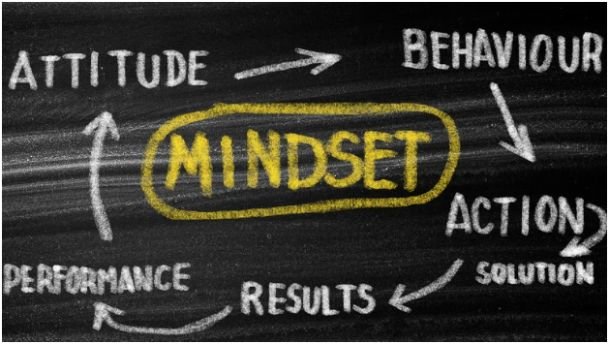
    Managing workplace stress also becomes easier when you practice how to build a better mindset every day, helping you respond calmly instead of reacting to pressure.

    I inhale for 4 seconds, hold for 4 seconds, exhale for 4 seconds, and hold again for 4 seconds. This short breathing pattern can calm the body and make the next task feel more manageable.

    Handwritten notes also help when the mind feels overloaded. Writing priorities on paper gives me a short digital break and makes the task list feel clearer.

    Improve Mood With a Healthier Desk Environment

    A clean, comfortable desk can support better focus. I like using small changes that make the space feel less stressful. A low-maintenance plant, such as a succulent or snake plant, can add calmness without creating extra work.

    Natural daylight, reduced clutter, comfortable seating, and organized supplies can also improve workplace comfort. A healthier desk environment makes it easier to stay consistent with better habits.

    End the Workday With Clear Boundaries

    Healthy office life does not end at 5 p.m. A simple shutdown routine helps separate work from personal time. I review completed tasks, write tomorrow’s top priorities, close work tabs, and step away from the desk.

    This is especially important for remote workers. Without boundaries, the workday can stretch into dinner, family time, and sleep. Clear stopping points protect energy and reduce burnout.

    Frequently Asked Questions 

    1. What are the best health habits for office workers?

    The best habits include moving every hour, stretching at the desk, drinking water, eating balanced meals, using the 20-20-20 rule, improving posture, and taking real lunch breaks.

    2. How can I stay active in a desk job?

    You can stay active by walking during calls, taking stairs, standing every hour, doing desk stretches, using movement reminders, and turning short meetings into walking meetings.

    3. How do office workers reduce eye strain?

    Office workers can reduce eye strain by following the 20-20-20 rule, lowering screen brightness, reducing glare, blinking often, and keeping the monitor at eye level.

    4. What are easy wellness tips for a 9-to-5 job?

    Easy tips include keeping water on the desk, packing healthy snacks, eating away from the computer, using box breathing, adding desk plants, and creating a clear end-of-day routine.

    Final Thoughts

    Wellness habits for office workers work best when they are small, realistic, and repeatable. I do not need to overhaul my life to feel better at work. I only need to move more often, protect my eyes, sit better, drink water, eat with intention, manage stress, and step away when the workday ends.

    Small office wellness habits may look simple, but they can change how the whole day feels.
  • How To Track Personal Growth Progress Like a Pro

    How To Track Personal Growth Progress Like a Pro

    If you are trying to figure out how to track personal growth progress, you probably already know one frustrating truth: growth does not always look dramatic. Some weeks, progress feels like waking up early. Other weeks, it looks like staying calm during a conversation that would have ruined your whole day before.

    I have learned that personal growth becomes easier to measure when I stop tracking effort alone and start tracking evidence. A checklist tells me what I did. A good growth tracking system tells me who I am becoming.

    Why Tracking Personal Growth Feels Hard

    Personal growth is not like watching a bank balance move up. Confidence, discipline, emotional maturity, mindset, communication skills, and self-awareness often grow quietly. You may not notice the shift until an old trigger no longer controls you.

    That is why many people quit tracking too early. They measure the wrong thing. They count journal entries, books read, workouts done, or podcasts completed. Those habits matter, but they do not always prove transformation.

    The CDC’s SMART framework explains that progress needs measurable data so you can know whether your actions are helping your goal. That same principle works for self-improvement, too. A vague goal like “become better” is hard to track. A measurable goal like “recover from stress faster” gives you something real to watch.

    Start With Signal Metrics, Not Busy Checklists

    The best way I have found to track personal development progress is by choosing signal metrics. A signal metric shows real change in behavior, not just activity.

    For example, “I meditated five days this week” is useful. But “I calmed down in 12 minutes instead of 45 after criticism” shows emotional growth. That is the difference between attendance and transformation.

    Research shared by the American Psychological Association found that people are more likely to achieve goals when they monitor progress often. The key is to monitor what matters, not just what is easy to count.

    Emotional Growth Signal Metrics

    Emotional Growth Signal Metrics

    For emotional growth, I track recovery time. After stress, rejection, conflict, or disappointment, I ask one simple question: how long did it take me to return to normal?

    This works because emotional maturity is not about never reacting. It is about recovering faster, responding better, and not letting one moment own the whole day.

    You can also track how often you pause before replying, how many difficult conversations you handle calmly, or how quickly you notice negative self-talk.

    Skill Growth Signal Metrics

    Skill growth needs proof of use. Reading a book on confidence does not mean I became confident. Using one idea from that book in a meeting does.

    For learning goals, I track applied ideas. If I read three chapters but use nothing, that is information. If I read one page and change one habit, that is growth.

    This is especially useful for communication, leadership, writing, fitness, money habits, and career growth.

    Energy and Lifestyle Signal Metrics

    Personal growth also shows up in energy. I like using a simple 1–10 daily energy score because it reveals patterns fast.

    If my energy stays low after poor sleep, skipped meals, or too much screen time, the tracker tells the truth. It removes the guesswork. Over time, I can connect my habits with my mood, focus, and discipline.

    Build A Personal Growth Tracking System

    Build A Personal Growth Tracking System

    A personal growth tracker does not need to be fancy. A notebook, spreadsheet, notes app, or printable habit tracker can work. The goal is to make progress visible without turning your life into homework.

    I use three simple tools together because each one catches a different kind of growth.

    Use a Habit Grid for Patterns

    A habit grid is a monthly calendar where you mark the habits that support your goals. It works because patterns become visible quickly.

    For example, if I mark sleep, reading, exercise, journaling, and phone-free mornings, I can see which habits stay strong and which ones break under stress.

    This is also where you can connect your progress to weekly personal growth challenge ideas if you want a simple internal link opportunity. A weekly challenge gives your tracker a focused theme instead of random habits.

    Keep a Tiny Wins Log

    A tiny wins log is where I write small moments that prove progress. These moments are easy to forget, but they matter.

    I might write, “I said no without overexplaining,” “I finished the task before scrolling,” or “I asked for help instead of avoiding the issue.”

    This log builds self-belief. It also protects me from the false feeling that nothing is changing.

    Record Before-and-After Snapshots

    Some growth is visual or behavioral. For confidence, public speaking, posture, communication, or fitness, before-and-after snapshots work well.

    You can record a short video once a month explaining a topic for two minutes. After six months, compare your tone, eye contact, body language, clarity, and comfort.

    This method gives you proof that a mood-based journal may miss.

    Review Your Growth Every Month

    Review Your Growth Every Month

    Data does nothing unless you review it. I recommend a monthly review because weekly reviews can feel too close to the noise.

    During my monthly review, I ask three questions:

    What feels easier now than it did last month?

    Where did I react better than my old self would have?

    What problem did I face instead of avoid?

    A review turns scattered habits into a story. It shows what is working, what needs adjusting, and what no longer fits.

    A peer-reviewed article on goal setting and action planning explains that action plans help turn long-term goals into short-term steps. That is exactly what a monthly review does. It keeps personal growth practical instead of dreamy.

    Ask For Feedback Without Making It Awkward

    You cannot always see your own progress clearly. Your brain adapts fast. What once felt brave may start feeling normal.

    That is why external feedback helps. Ask one trusted person a specific question, not a vague one.

    Try this: “Have you noticed any change in how I handle pressure, communicate, or set boundaries?”

    This type of question gives people something clear to answer. It also helps you notice growth that may feel invisible from the inside.

    Track Your Future Options

    Here is my favorite personal growth measurement: track your options.

    Real growth expands your choices. If your skills improve, you have more career options. If your confidence improves, you speak up more. If your money habits improve, you feel less trapped. If your emotional resilience improves, you stop building your life around fear.

    Once every three months, I ask myself: do I have more options now than I had before?

    If the answer is yes, I am growing. If the answer is no, I need to change my strategy.

    This original “future options” test works because growth should create freedom. If your habits are making your life smaller, stricter, and more stressful, they may not be the right habits.

    FAQs

    1. How do I measure personal growth without numbers?

    Track behavior changes, emotional recovery time, better decisions, improved communication, and moments where you respond differently than your old self.

    2. What is the best personal growth tracker?

    The best tracker is one you will actually use. A notebook, habit grid, spreadsheet, or notes app can all work well.

    3. How often should I review personal growth goals?

    Review your goals monthly so you can see real patterns without overreacting to one bad day or one busy week.

    4. How do I know if I am really improving?

    You are improving when old problems feel easier, your reactions become calmer, and your choices expand in daily life.

    Final Take: Your Growth Receipts Matter

    Tracking personal growth is not about becoming obsessed with self-improvement. It is about keeping receipts for the work you are already doing.

    When I track signal metrics, tiny wins, monthly reviews, feedback, and future options, I stop guessing. I can see the proof. Start with one growth area this week, choose one signal metric, and review it at the end of the month.

  • How to Build a Positive Mindset That Actually Lasts

    How to Build a Positive Mindset That Actually Lasts

    I used to think positivity meant pretending everything was fine, even when life felt messy, stressful, or completely unpredictable. But I learned that how to build a positive mindset is not about fake happiness. It is about training the mind to look for better choices, healthier thoughts, and practical hope during everyday challenges.

    A positive mindset helps you respond instead of react. It supports better focus, stronger confidence, calmer relationships, and more emotional balance. Whether you are dealing with work stress, personal goals, family pressure, or daily uncertainty, the right mindset can help you feel more in control without ignoring reality.

    What Is a Positive Mindset?

    A positive mindset is the habit of seeing possibilities, solutions, and lessons instead of only focusing on problems. It does not mean every day feels perfect. It means you learn to guide your thoughts in a healthier direction when life feels difficult.

    People with a positive mindset still feel stress, disappointment, fear, and frustration. The difference is that they do not let those feelings control every decision. They pause, reflect, and choose a better next step.

    Why a Positive Mindset Matters

    A positive mindset matters because your thoughts shape your actions. When you constantly tell yourself that you cannot improve, cannot succeed, or cannot handle pressure, your brain starts looking for proof that those thoughts are true.

    When you practice more balanced thinking, you create space for growth. You become more willing to try again, ask for help, learn from mistakes, and stay consistent. This is why mindset plays a major role in self-improvement, wellness, productivity, and emotional strength.

    Understanding growth mindset vs fixed mindset can also help you see why some thoughts push you toward learning while others keep you stuck in fear or self-doubt.

    How to Build a Positive Mindset Daily

    How to Build a Positive Mindset Daily

    Notice Negative Self-Talk

    The first step is noticing the way you speak to yourself. Many people repeat harsh thoughts without realizing it. Phrases like “I always fail,” “I am not good enough,” or “nothing works for me” can quietly damage motivation.

    Instead of accepting every negative thought as truth, question it. Ask yourself whether the thought is helpful, fair, or based on facts. Then replace it with something more balanced, such as “I am learning,” “I can improve,” or “this is difficult, but I can take one step.”

    Practice Gratitude Every Day

    Gratitude is one of the simplest ways to shift your focus. It trains your mind to notice what is working instead of only scanning for what is missing.

    You do not need a fancy journal. Write down three things you appreciate each day. They can be small, like a peaceful morning, a kind message, a good meal, or finishing one task. Over time, this habit helps your brain recognize positive moments more easily.

    Reframe Problems Into Solutions

    A positive mindset grows when you stop asking only, “Why is this happening to me?” and start asking, “What can I do next?” This small shift moves your mind from helplessness to action.

    For example, if you miss a goal, do not label yourself a failure. Look at what went wrong, what can change, and what support you need. Reframing does not erase the problem, but it gives you power over your response.

    Learning how to build emotional resilience also makes it easier to recover from setbacks because you become more focused on adapting and moving forward instead of staying stuck in disappointment.

    Build a Healthier Routine

    Your mindset is strongly connected to your daily habits. Poor sleep, skipped meals, too much screen time, and constant stress can make negative thinking feel stronger.

    Try creating a simple routine that supports your mind and body. Sleep at a regular time, move your body daily, drink enough water, eat balanced meals, and take short breaks. A stable routine gives your brain the energy it needs to think clearly.

    Spend Time With Positive People

    The people around you influence your mindset more than you may realize. Constant complaining, criticism, gossip, or discouragement can make it harder to stay optimistic.

    Choose to spend more time with people who encourage growth, honesty, and healthy ambition. Positive people do not always agree with you, but they help you see possibilities instead of only problems.

    Use Affirmations That Feel Real

    Affirmations can help, but they work best when they feel believable. Saying “my life is perfect” may feel fake if you are struggling. A better affirmation is honest and forward-moving.

    Try phrases like “I can handle today one step at a time,” “I am becoming more confident,” or “I can learn from this experience.” These statements support how to build a positive mindset without forcing unrealistic thinking.

    A Simple 7-Day Positive Mindset Reset

    A Simple 7-Day Positive Mindset Reset

    On day one, write down your most common negative thoughts. On day two, replace three of them with balanced thoughts. On day three, write a short gratitude list.

    On day four, take a 10-minute walk without distractions. On day five, avoid one habit that drains your mood. On day six, speak kindly to yourself during a mistake. On day seven, reflect on what helped you feel calmer, stronger, or more hopeful.

    Frequently Asked Questions

    1. How long does it take to build a positive mindset?

    It depends on your habits, stress levels, and consistency. Most people start noticing small changes within a few weeks when they practice gratitude, better self-talk, and healthier routines daily.

    2. Can a positive mindset help with stress?

    Yes, a positive mindset can help you manage stress better by encouraging calmer thinking, practical problem-solving, and emotional balance instead of panic, avoidance, or constant negative self-talk.

    3. Is positive thinking the same as ignoring problems?

    No, positive thinking does not mean ignoring problems. It means seeing the problem clearly while choosing a useful response, healthier thought, or practical action step.

    4. What is the easiest way to start how to build a positive mindset?

    The easiest way is to begin with self-talk. Notice one negative thought each day and replace it with a realistic, supportive thought that helps you move forward.

    Final Thoughts

    I believe a positive mindset is built through small choices, not one big life change. Each time I choose gratitude, kinder self-talk, better routines, or solution-focused thinking, I strengthen my ability to handle life with more calm and confidence.

    You do not need to be positive every second to grow. You only need to keep returning to better thoughts, better habits, and better actions. That is where real mindset change begins.

  • Daily Mindset Habits For Success That Win Big

    Daily Mindset Habits For Success That Win Big

    I used to think success depended on big goals, perfect routines, and constant motivation. Over time, I learned that real progress usually starts much smaller. The thoughts I repeat, the way I begin my morning, and how I respond to setbacks shape my results more than any one big decision.

    That is why daily mindset habits for success matter. They help you stay focused when life gets busy, confident when progress feels slow, and disciplined when motivation disappears.

    Why Mindset Habits Matter

    Your mindset affects how you plan, work, rest, and recover from mistakes. When your thoughts are scattered, even simple tasks can feel difficult. When your mind is clear, you make better decisions and waste less energy.

    Mindset habits also make success feel repeatable. Instead of waiting for a perfect day, you build small routines that support steady growth every day.

    Start Your Morning With Intention

    A strong morning does not need to be complicated. Before checking your phone, ask yourself what kind of person you want to be today. Calm, focused, patient, brave, or consistency can all be powerful intentions.

    This simple habit gives your day direction. It helps you react less and choose more.

    Choose Three Important Tasks

    Trying to do everything can make you feel overwhelmed. Instead, choose three tasks that matter most for the day. These should be the actions that move your work, health, learning, or personal growth forward.

    This habit trains your brain to focus on value, not busyness. It also gives you a clear finish line.

    Practice Positive Self-Talk

    Practice Positive Self-Talk

    The way you speak to yourself affects how you show up. Replace thoughts like “I always fail” with “I can improve with practice.” This does not mean ignoring problems. It means giving yourself language that supports action.

    Successful people are not free from doubt. They simply learn how to keep going without letting doubt lead every decision.

    Learning how to build a positive mindset can make self-talk more realistic, encouraging, and useful when doubt tries to slow your progress.

    Take Recess Breaks For Your Brain

    Your mind is not built to run at full speed all day. Short breaks help protect your focus and reduce mental fatigue. Step away from screens, stretch, walk, breathe, or sit quietly for a few minutes.

    These small pauses are not wasted time. They help your brain return stronger and sharper.

    Read Or Learn Something Useful

    Reading a few pages, listening to a helpful podcast, or learning one new idea can shift your thinking. Growth becomes easier when your mind is regularly exposed to better ideas.

    You do not need hours. Ten focused minutes can help you build curiosity, confidence, and better problem-solving skills.

    Reflect On One Win And One Lesson

    At the end of the day, write down one thing you did well and one thing you learned. This habit helps you notice progress without pretending everything was perfect.

    Reflection turns everyday life into feedback. It helps you improve without being harsh on yourself.

    Build A Simple 7-Day Mindset Plan

    Build A Simple 7-Day Mindset Plan

    On day one, set a morning intention. On day two, choose your top three tasks. On day three, practice better positive self-talk. On day four, take screen-free breaks. On day five, learn something useful. On day six, reflect on your wins. On day seven, review the week and choose one habit to continue.

    This plan works because it is realistic. The best daily mindset habits for success are simple enough to repeat even when life feels busy.

    To keep the plan going after the first week, use ways to stay consistent with your goals so your mindset habits become part of your normal routine.

    Frequently Asked Questions

    1. What are daily mindset habits for success?

    They are small daily routines like intention setting, positive self-talk, reflection, focused planning, and learning that help you think clearly and act with purpose.

    2. How long does it take to build a success mindset?

    You may notice small changes within a few weeks, but lasting growth comes from repeating simple habits consistently over time.

    3. What is the best mindset habit to start with?

    Start with one morning intention because it is easy, quick, and helps guide your choices before distractions take over.

    4. Can mindset habits improve productivity?

    Yes, they can improve productivity by helping you reduce mental clutter, focus on important work, manage stress, and stay consistent.

    Final Thoughts

    I have learned that success becomes less overwhelming when I stop chasing a perfect routine and start repeating small habits that support the person I want to become. Progress does not always feel dramatic, but it adds up.

    Start with one habit today. Daily mindset habits for success can help you build focus, confidence, and steady growth one day at a time.

  • Weekly Personal Growth Challenge Ideas That Work

    Weekly Personal Growth Challenge Ideas That Work

    I like weekly personal growth challenge ideas because they remove the pressure of “changing my whole life.” Seven days feels doable, honest, and hard to excuse. I can test a habit, notice what changes, and decide if it deserves a permanent place in my routine.

    Research on habit formation shows that automatic habits often take much longer than one week. That makes a weekly challenge perfect for testing, not perfecting.

    Why Weekly Challenges Work Better Than Big Resolutions

    Big resolutions often fail because they demand a new identity overnight. A weekly challenge works differently. It asks for one focused experiment.

    When I commit to only seven days, I stop negotiating with myself. I do not need a perfect plan. I need a clear rule, a visible tracker, and one small daily win.

    That is why weekly personal growth challenge ideas work well for busy adults, students, remote workers, and anyone rebuilding discipline. They create momentum without making self-improvement feel like punishment.

    How I Pick a Personal Growth Challenge for the Week

    How I Pick a Personal Growth Challenge for the Week

    I use a simple rule. I choose the challenge that fixes the loudest friction in my life.

    If I feel scattered, I choose a focus challenge. If I feel tired, I choose a wellness challenge. If my space feels chaotic, I choose a decluttering challenge. If my attitude feels heavy, I choose a mindset challenge.

    I also keep the challenge measurable. “Be happier” is too vague. “No phone for the first hour after waking” is clear. The best weekly personal growth challenge ideas have a start point, a daily action, and a visible finish line.

    For deeper mindset work, I also like connecting this habit practice with how to build a better mindset every day.

    Weekly Personal Growth Challenge Ideas for Mindset

    Weekly Personal Growth Challenge Ideas for Mindset

    Mindset challenges are not about pretending life is easy. They train attention. They help me notice my thoughts before they control my mood.

    Mindfulness practices can support self-control, mental clarity, emotional flexibility, and concentration. That makes mindset challenges practical, not fluffy.

    The Phone-Free First Hour Challenge

    For seven days, I do not touch my phone for the first hour after waking. No messages, no scrolling, no news, no “quick check.”

    I use that hour for stretching, coffee, planning, journaling, or quiet. This challenge works because it protects the tone of the day before other people’s demands enter my head.

    The No Complaining Reset

    For one week, I avoid complaining out loud. I can still solve problems. I can still ask for help. I just cannot vent on repeat.

    This challenge exposes how often negativity becomes a habit. When I tried it, I noticed I complained most when I felt tired, rushed, or unprepared. That insight helped more than forced positivity ever could.

    The 10-Minute Brain Dump

    Every morning, I write for 10 minutes without editing. I empty my worries, tasks, random thoughts, and emotional noise onto paper.

    This is one of the easiest weekly personal growth challenge ideas for overthinkers. It creates mental space before the day gets crowded.

    Weekly Self Improvement Challenges for Wellness

    Weekly Self Improvement Challenges for Wellness

    Wellness challenges should feel supportive, not extreme. I avoid challenges that punish the body. I prefer ones that build energy.

    A simple wellness challenge can improve movement, food choices, sleep rhythm, and daily energy without making life feel restricted.

    The Sunset Walk Challenge

    For seven days, I take a 30-minute walk in the evening. I do not treat it like a workout. I treat it like a reset button.

    This challenge helps me separate work from personal time. It also improves my mood because movement and fresh air break the “stuck at a screen” feeling.

    The Hydration Upgrade

    I choose a realistic daily water goal and track it for one week. I keep a bottle near my desk and drink before coffee refills.

    This challenge sounds basic, but basic habits often create the biggest shift. Better hydration helps me feel more alert and less snacky during low-energy hours.

    The 30 Plants Week

    Across seven days, I try to eat 30 different plant foods. Fruits, vegetables, beans, herbs, nuts, seeds, and whole grains all count.

    This challenge makes healthy eating feel like a game instead of a restriction. I focus on adding variety, not obsessing over perfection.

    Personal Development Challenge Ideas for Productivity

    Productivity challenges should reduce chaos. They should not turn the week into a pressure cooker.

    I like productivity challenges because they show me where my time leaks. Usually, the problem is not laziness. It is unclear priorities.

    The One Big Thing Method

    Each morning, I write down the one task that would make the day successful. I finish it before smaller tasks take over.

    This challenge works because it forces focus. Email, messages, and busywork can wait until the main task has moved forward.

    The Clean Desk Shutdown

    For one week, I clear my workspace before ending the day. I close tabs, remove cups, file notes, and write tomorrow’s first task.

    This gives my brain a clean landing. The next morning feels easier because I do not start inside yesterday’s mess.

    The Deep Work Sprint

    I do two focused work blocks daily. Each block lasts 60 to 90 minutes. During that time, I silence notifications and work on one meaningful task.

    This is one of the strongest weekly personal growth challenge ideas for career growth because it protects serious thinking time.

    Creative Weekly Growth Challenges for a Better Life

    Creative Weekly Growth Challenges for a Better Life

    Creative challenges help life feel less automatic. They bring attention back to small details.

    These challenges are useful when my routine feels repetitive or when I want personal growth without making everything about productivity.

    The Daily Photo Journal

    Every day, I take one photo that represents calm, beauty, progress, or gratitude. It does not need to be perfect.

    At the end of the week, I look through the seven photos. This simple practice trains me to notice good moments instead of rushing past them.

    The Seven-Item Declutter

    Each day, I remove seven unused items from my home. I donate, recycle, discard, or relocate them.

    By the end of the week, 49 items are gone. The result feels visible, which makes this challenge satisfying fast.

    The Yes-to-Safe-New-Things Challenge

    For one weekend day, I say yes to safe, reasonable new invitations. A new café, a different walking route, a class, or a conversation can count.

    This challenge builds openness without forcing reckless choices. It reminds me that growth often starts with tiny discomfort.

    My Simple 7-Day Challenge Tracker

    Here is the tracker I use. I write the challenge name at the top of a page. Then I create seven checkboxes, one for each day.

    Under the checkboxes, I answer three short questions at the end of the week. What felt easy? What felt annoying? What changed enough to repeat?

    This tiny review turns a challenge into real self-knowledge. Without reflection, weekly personal growth challenge ideas can become random tasks. With reflection, they become evidence.

    FAQs

    1. What are easy weekly personal growth challenge ideas for beginners?

    Start with phone-free mornings, a 10-minute brain dump, daily walks, hydration tracking, or clearing your desk before bedtime.

    2. How do I choose a weekly self improvement challenge?

    Pick one challenge that solves your biggest current friction, such as low energy, poor focus, clutter, stress, or negative self-talk.

    3. Can a 7-day personal development challenge change habits?

    A week can start awareness and momentum, but lasting habits often need repeated practice over several weeks.

    4. What is the best personal growth challenge for mindset?

    The no complaining challenge is powerful because it reveals thought patterns and helps replace automatic negativity with problem-solving.

    Final Pep Talk: Pick One and Stop Overthinking It

    Personal growth does not need a dramatic life makeover. It needs one honest action repeated long enough to teach you something.

    I would start with one challenge this week, not five. Choose the one that makes your daily life feel lighter, calmer, or more focused. Seven days from now, you will have proof, not just motivation.

  • Goals To Set For Yourself: Easy Fun Guide To Growing Better

    Goals To Set For Yourself: Easy Fun Guide To Growing Better

    A busy life can make personal growth feel confusing, but the right goals to set for yourself can bring everything back into focus. They help you choose what matters, build better habits, and feel proud of small wins. Real growth does not need a perfect plan. It needs clear steps you can actually follow.

    Key Takeaways

    • Choose one or two focus areas first.
    • Use SMART goals for clarity.
    • Build habits through small actions.
    • Track progress without pressure.
    • Review and adjust goals often.

    Goals Matter For Growth

    Goals are like a friendly GPS for your life. Without them, you may still move, but not always in the direction you want. This is why goals to set for yourself are necessary. They turn vague wishes into simple actions, so your health, money, career, relationships, and happiness do not depend only on mood or motivation.

    Start With A Simple Focus

    Trying to fix every part of life at once usually leads to stress. A better approach is to choose one or two areas that matter most right now. This keeps your energy focused and makes progress easier to notice.

    For example, you may choose health and finance this month, then career and relationships later. This does not mean other areas are ignored. It means you are giving your best attention to what needs it most.

    Choose Your Main Area

    Pick the area that would improve your life the most if it got better. It may be sleep, fitness, savings, confidence, career growth, or family connection. The right goal should feel useful, realistic, and connected to your current season.

    Keep Your Goal Small

    A small goal is easier to repeat. Instead of planning a complete life makeover, begin with one action you can do daily or weekly. Small wins build trust, and trust keeps you moving when motivation drops.

    Use The SMART Framework

    Use The SMART Framework

    The SMART Framework helps turn a dream into a real plan. SMART means Specific, Measurable, Attainable, Relevant, and Time-bound. This method keeps your goal clear, practical, and easy to track.

    A vague goal says, “I want to get healthy.” A SMART goal says, “I will jog for 20 minutes, three days a week for six weeks.” That difference matters because your brain knows exactly what to do.

    Make It Specific

    Specific goals remove confusion. Instead of saying you want to save money, decide how much, how often, and where it will go. A clear goal creates a clear next step.

    Make It Trackable

    Tracking helps you see progress. You can track minutes, dollars, pages, calls, workouts, courses, or screen time. The goal is not perfection. The goal is awareness and steady improvement.

    Health And Wellness Goals

    Health goals should support your real life, not punish you. A strong wellness goal improves your energy, sleep, mood, and confidence without making your routine feel impossible.

    For physical fitness, you can jog for 20 minutes, three days a week for the next six weeks. This goal is simple, measurable, and realistic for most beginners. It builds stamina without overwhelming your schedule.

    Improve Nutrition

    A useful nutrition goal is to drink only water after 7:00 p.m. This small habit may reduce late-night sugary drinks and support better sleep quality. It is also easy to remember because it is tied to a specific time.

    Support Mental Health

    For mental health, meditate for 10 minutes every morning using an app like Headspace or Calm. This goal can help reduce daily stress, improve focus, and create a calmer start to the day.

    For mental health, meditate for 10 minutes every morning using an app like Headspace or Calm. This goal can help reduce daily stress, improve focus, and create a calmer start to the day. You can also build daily habits to stop overthinking so your mind feels less crowded during everyday decisions.

    Finance Goals

    Money goals are part of self-improvement because financial stress affects your peace, confidence, and choices. You do not need to become a finance expert. You just need simple systems that make money easier to manage.

    A good savings goal is to automatically transfer $50 from every paycheck into a high-yield savings account. Automation helps because you do not have to rely on willpower every time you get paid.

    Pay Down Debt

    For debt payoff, use the debt snowball method to pay off your smallest credit card within three months. Clearing one small debt can give you momentum and make larger debts feel less scary.

    Track Spending

    A smart budgeting goal is to track all expenses for 30 days using a tool like YNAB. This helps you understand where money goes before making big changes. Awareness is the first step toward control.

    Career And Growth Goals

    Career And Growth Goals

    Career goals help you build skills, confidence, and future options. They do not always need to be about promotions. Sometimes the best goal is becoming more prepared, organized, or connected.

    For skill building, complete one continued education or Coursera course related to your industry within two months. This gives you a clear learning target and adds value to your professional growth.

    Build Your Network

    A helpful networking goal is to invite one industry peer or mentor to a virtual or in-person coffee chat each month. Good conversations can lead to ideas, support, referrals, and fresh motivation.

    Manage Your Time

    For time management, limit daily non-work social media screen time to 30 minutes. This protects your attention and gives you more room for learning, rest, hobbies, or focused work.

    For time management, limit daily non-work social media screen time to 30 minutes. This protects your attention and gives you more room for learning, rest, hobbies, or focused work. If scrolling keeps stealing your focus, learn how to stop doom scrolling so your goals feel easier to protect.

    Relationship Goals

    Personal growth is not only about individual success. Strong relationships improve happiness, emotional health, and life satisfaction. Good relationship goals create more presence, kindness, and connection.

    A connection goal could be scheduling a recurring, uninterrupted weekly date night with your partner or an outing with a close friend. The key word is uninterrupted. Real connection needs attention.

    Stay Close To Family

    A simple family goal is to call an out-of-town family member every Sunday afternoon. This keeps bonds warm and shows people they matter, even when life gets busy.

    Listen Better

    Another powerful goal is to listen without checking your phone during conversations. It sounds small, but it can change the quality of your relationships quickly.

    Hobbies And Free Time Goals

    Hobbies And Free Time Goals

    Free time should not disappear into endless scrolling. Hobbies help you feel creative, relaxed, and more balanced. They remind you that life is not only about work and responsibilities.

    For creativity, spend 45 minutes on a new hobby every Saturday morning. This could be painting, coding, gardening, photography, cooking, or learning an instrument. The point is to enjoy progress without pressure.

    Read More Often

    A strong reading goal is to read one non-fiction book per month. Reading helps expand your perspective, sharpen your thinking, and bring new ideas into your everyday life.

    Protect Fun Time

    Schedule free time like you would schedule work. When rest and hobbies are planned, they become easier to protect. Joy also needs space in your routine.

    How To Choose Goals To Set For Yourself

    The best way to choose goals to set for yourself is to start with your real life, not someone else’s highlight reel. Look at what feels messy, stressful, exciting, or important right now. That area usually points to your next goal.

    Write down one goal using the SMART Framework. Make it specific, measurable, attainable, relevant, and time-bound. Then focus on the daily or weekly behavior, not just the final result. This keeps your progress steady.

    Review Weekly

    Set aside 10 minutes each week to review your goal. Ask what worked, what got in the way, and what needs to change. This keeps your plan flexible and realistic.

    Adjust Without Quitting

    Missing a day does not mean failure. It means you are human. Adjust the goal, lower the pressure, and continue. Consistency grows when goals are kind enough to survive real life.

    Frequently Asked Questions

    1. What Are 5 SMART Goals Examples?

    Five SMART goals examples are jogging three days weekly, saving $50 per paycheck, meditating 10 minutes daily, finishing one online course in two months, and reading one book monthly.

    2. What Are 10 Good Goals?

    Ten good goals include better sleep, regular exercise, saving money, debt payoff, reading more, learning a skill, reducing screen time, improving communication, building friendships, and practicing mindfulness.

    3. What Are Your Top 5 Goals?

    Top goals often include better health, stronger finances, career growth, emotional balance, and deeper relationships. The best goals should match your values, lifestyle, and current priorities.

    4. Why Are Goals To Set For Yourself Important?

    Goals to set for yourself are important because they give direction, build discipline, and make personal growth easier to measure through small daily or weekly actions.

    Your Glow-Up Starts With One Goal

    The best goals to set for yourself are not the loudest or hardest ones. They are the goals that fit your life and help you grow with less confusion. Start with one clear focus, use SMART steps, and build through small habits. A better version of your life can begin with one simple promise you keep today.

  • How To Build A Better Mindset Every Day Fast

    How To Build A Better Mindset Every Day Fast

    Why Your Mindset Changes Through Daily Repetition

    Learning how to build a better mindset every day starts with one truth: your brain listens to what you repeat. If you repeat worry, comparison, and excuses, your mind gets good at those. If you repeat action, gratitude, and recovery, your mind gets stronger.

    I noticed my mindset changed fastest when I stopped chasing motivation. I built small habits that worked even on tired days. That mattered because neuroplasticity allows the brain to change its activity and connections through repeated experiences.

    A better mindset is not fake positivity. It is the ability to guide your thoughts before they guide your day.

    Start Your Morning With A Better Mental Direction

    Start Your Morning With A Better Mental Direction

    Your morning does not need to be perfect. It needs to be protected. The first few minutes after waking shape your mental tone, so I avoid letting my phone choose my mood.

    Set Your First Thought Before Your Phone Does

    Before I check messages, I give my brain one clear command: “Today, I will look for progress.” That sentence sounds simple, but it changes what I notice.

    Then I name three specific things I appreciate. Not vague gratitude. Specific gratitude works better for me. I write things like “hot coffee,” “quiet morning,” or “one task I can finish today.”

    This trains the brain to scan for micro-wins. It also stops the day from starting with stress, headlines, or comparison.

    Use Movement To Build Early Confidence

    A short walk, stretch, or light workout can shift your internal dialogue quickly. The CDC says regular physical activity supports brain health and can reduce anxiety symptoms in adults.

    I use movement as proof, not punishment. Even five minutes tells my mind, “I keep promises to myself.” That small win makes the next good choice easier.

    Reset Your Mindset During Stressful Hours

    Reset Your Mindset During Stressful Hours

    The middle of the day is where most mindset plans fail. Work pressure, distractions, hunger, and negative self-talk all show up together.

    That is why I use a reset instead of waiting for a fresh start tomorrow.

    Run A Quick Thought Audit

    A thought audit takes less than one minute. I pause and ask, “Is this thought helping me act, or is it making me freeze?”

    If the thought is “I am behind,” I change it to “What is the next useful step?” If the thought is “I always fail,” I change it to “What can I learn from this attempt?”

    This is not pretending. It is choosing a more useful frame.

    Use The Win-Or-Learn Rule

    One habit that helped me most was the win-or-learn rule. I stopped calling small setbacks failures. I started treating them as feedback.

    If I missed a habit, I asked why. Was the habit too big? Was my environment working against me? Was I depending on motivation?

    That question gave me control. A bad day became data, not identity.

    Build Consistency With A 5-Minute Mindset Protocol

    Build Consistency With A 5-Minute Mindset Protocol

    A better mindset needs consistency, but consistency does not need huge effort. The mistake I made before was making every habit too ambitious.

    Now I use a five-minute protocol.

    Make The Habit Too Small To Avoid

    In the morning, I use the two-minute rule. If the goal feels big, I shrink it. One page. One stretch. One sentence. One priority.

    James Clear describes the two-minute rule as starting a new habit in a version that takes less than two minutes.

    Then I anchor it to something I already do. After coffee, I write one priority. After brushing my teeth, I stretch. After lunch, I take three slow breaths.

    This works because the habit no longer depends on mood.

    Track Proof Instead Of Waiting For Motivation

    I track tiny wins visually. A checkmark on a calendar gives me proof that I showed up.

    The goal is not to become obsessed with streaks. The goal is to build evidence. Every small checkmark says, “I am becoming consistent.”

    When I feel low, I lower the bar. I would rather do a poor two-minute version than skip completely. That keeps the identity alive.

    End The Day Without Carrying Mental Clutter

    End The Day Without Carrying Mental Clutter

    Your evening routine decides what your brain carries into sleep. If I end the day scrolling, comparing, or replaying problems, I wake up mentally crowded.

    A calmer night creates a clearer morning.

    Measure Effort, Not Just Results

    At night, I ask one question: “Did I act like the person I want to become?”

    This helps me measure effort, not only outcomes. Some days do not produce big wins. Still, I can celebrate keeping a promise, avoiding gossip, taking a walk, or pausing before reacting.

    That kind of reflection builds self-trust.

    Prepare Tomorrow Before Bed

    I also do a two-minute friction audit. I make good habits easier and bad habits harder.

    I place my notebook on the desk. I keep my phone away from the bed. I write tomorrow’s first task on paper. If I want to walk, I leave my shoes ready.

    This small setup removes morning resistance. It also tells my brain the workday is done.

    FAQs

    1. How long does it take to build a better mindset?

    You can feel small changes in days, but lasting mindset change comes from repeating simple habits for weeks.

    2. What is the easiest mindset habit to start with?

    Start with one specific gratitude thought each morning before checking your phone.

    3. Can I improve my mindset without journaling?

    Yes, you can use walking, breathing, thought audits, or habit tracking instead of formal journaling.

    4. Why do I struggle to stay consistent?

    You may be relying too much on motivation instead of small habits, visual tracking, and environment design.

    Final Spark: Your Mindset Is Not The Boss

    Learning how to build a better mindset every day changed for me when I stopped arguing with my mood. I stopped waiting to feel ready. I made the next good action small enough to do tired, busy, or distracted.

    Your mindset improves when your daily system gives it better evidence. Start tomorrow with one clear thought, one tiny action, and one checkmark. That is enough to begin.

  • Wellness Habits For Gut Health That Make Your Belly Happy 

    Wellness Habits For Gut Health That Make Your Belly Happy 

    A healthy gut does not start with a complicated cleanse or a shelf full of supplements. It often starts with the small things you repeat every day, like how slowly you eat, how much water you drink, how often you move, and how well you sleep. That is why wellness habits for gut health matter for anyone who wants better digestion without making life feel harder.

    When your gut gets the right support, your body can handle food more comfortably, absorb nutrients better, and feel more balanced throughout the day.

    Why Gut Health Matters More Than You Think

    A healthy gut supports smoother digestion, regular bowel movements, better nutrient absorption, and a stronger immune system. It can also influence mood because the gut and brain communicate through the gut-brain axis. That is why stress, anxiety, poor sleep, and rushed eating can sometimes show up as stomach discomfort.

    Many people in the United States deal with busy schedules, fast food, processed snacks, long work hours, and inconsistent sleep. These habits can affect digestion over time. The good news is that you do not need a strict cleanse or expensive supplement plan. You can start with simple daily changes that fit real life.

    Eat Prebiotic Fiber To Feed Good Gut Bacteria

    One of the best ways to support the gut microbiome is to eat more prebiotic fiber. Prebiotics feed beneficial gut bacteria and help them grow. Foods like oats, bananas, onions, garlic, apples, beans, lentils, asparagus, whole grains, and flaxseeds are easy to add to everyday meals.

    I like starting with breakfast because it is the easiest place to build a fiber habit. Oatmeal with berries and chia seeds, whole-grain toast with avocado, or Greek yogurt with fruit can make the day more gut-friendly. If you are not used to eating much fiber, increase it slowly. Adding too much at once can cause gas or bloating.

    Add More Plant Variety To Your Plate

    Add More Plant Variety To Your Plate

    A diverse gut microbiome needs a diverse diet. That means eating different fruits, vegetables, whole grains, nuts, seeds, beans, and legumes throughout the week. You do not need a perfect diet, but your gut benefits when your meals include more color and variety.

    Instead of eating the same two vegetables every day, rotate your choices. Try spinach one day, carrots the next, broccoli later in the week, and sweet potatoes or peppers with dinner. This simple habit supports digestion while also giving your body more vitamins, minerals, and antioxidants.

    Include Fermented Foods Slowly

    Fermented foods may support gut health because they can contain live beneficial bacteria. Yogurt with live cultures, kefir, sauerkraut, kimchi, miso, tempeh, and kombucha are common options in many US grocery stores. These foods can be helpful when added as part of a balanced diet.

    I suggest starting small. A serving of yogurt, a few spoonfuls of sauerkraut, or a small glass of kefir is enough in the beginning. Some fermented foods can taste strong or feel heavy if you add too much too soon. Also, choose lower-sugar yogurt or kefir when possible because added sugar can work against your gut health goals.

    Drink Enough Water For Better Digestion

    Water helps move food through the digestive tract and supports regular bowel movements. It also helps your body handle fiber better. When you eat more fiber but do not drink enough water, constipation can become worse.

    A simple routine can help. Drink water after waking up, keep a bottle nearby during work, and sip between meals. Herbal tea, broth-based soups, and water-rich foods like oranges, cucumbers, berries, and watermelon can also support hydration.

    Chew Slowly And Eat At Regular Times

    Digestion begins in the mouth. When you chew food properly, your stomach has less work to do. Eating too fast can also make you swallow extra air, which may lead to bloating and discomfort.

    Regular meal timing can also support your digestive rhythm. Try eating meals around the same time each day when possible. This helps your GI tract follow a more predictable routine. I also find that sitting down without rushing makes meals feel lighter and more satisfying.

    Walk After Meals To Support Gut Motility

    Walk After Meals To Support Gut Motility

    Movement helps stimulate gut motility, which is the process that moves food and waste through your digestive system. You do not need an intense workout after eating. A simple 10 to 15-minute walk after lunch or dinner can help digestion feel smoother.

    For people who sit most of the day, this habit is especially useful. Short movement breaks, stretching, walking, yoga, and light strength training can all support digestive wellness. The key is consistency, not intensity.

    Manage Stress To Calm The Gut-Brain Axis

    Stress can affect digestion quickly. When your nervous system feels overloaded, your stomach may feel tight, bloated, irritated, or unsettled. This happens because the gut and brain are closely connected.

    I like using small stress resets during the day. Deep breathing, journaling, stretching, prayer, meditation, quiet time, or stepping away from your phone can help calm the body. Even three slow breaths before eating can make a meal feel easier to digest.

    Sleep 7 To 9 Hours For A Healthier Gut

    Sleep affects hormones, cravings, inflammation, stress, and digestion. When sleep is poor, you may crave more sugary foods, feel hungrier, or struggle to make balanced food choices. Over time, this can affect your gut microbiome.

    Try to create a steady bedtime routine. Keep your room cool and dark, reduce screen time before bed, and avoid heavy late-night meals if they cause reflux or bloating. A better night’s sleep can make your whole digestive system feel more balanced.

    Limit Ultra-Processed Foods And Excess Sugar

    Packaged snacks, sugary drinks, fast food, candy, and refined carbs can crowd out the foods your gut needs most. You do not have to remove every treat, but daily dependence on ultra-processed foods can make digestion feel worse.

    I prefer a simple add-first approach. Add more whole foods before worrying about restriction. When meals include protein, fiber, healthy fats, and colorful plants, cravings often become easier to manage naturally.

    When Should You See A Gut Health Professional?

    When Should You See A Gut Health Professional?

    Everyday habits can help many people, but ongoing symptoms should not be ignored. If you have severe pain, blood in stool, unexplained weight loss, frequent diarrhea, chronic constipation, persistent reflux, or symptoms that keep getting worse, speak with a healthcare professional or gastroenterologist.

    Some practitioners may use structured approaches such as the 5R Protocol for gut health, but medical guidance should be personalized. Do not self-diagnose or remove major food groups without proper support.

    Easy Daily Routine For Better Gut Health

    A simple routine can start with water in the morning, a fiber-rich breakfast, balanced meals, and a short walk after eating. During the day, focus on hydration, plant variety, calm eating, and stress breaks. At night, keep dinner lighter if your stomach feels sensitive and aim for quality sleep.

    These wellness habits for gut health work best when they feel realistic. Start with one or two habits, then build from there.

    Frequently Asked Questions (FAQs)

    1. What are the best foods for gut health?

    The best foods for gut health include oats, beans, lentils, fruits, vegetables, whole grains, yogurt, kefir, nuts, seeds, garlic, onions, and fermented vegetables.

    2. How can I naturally improve gut health?

    You can improve gut health naturally by eating more fiber, adding fermented foods, drinking water, walking after meals, sleeping well, and managing stress daily.

    3. How long does it take to improve gut health?

    Some people feel better within a few days, but deeper changes usually take several weeks of consistent diet, hydration, movement, sleep, and stress habits.

    4. Are probiotics necessary for gut health?

    Probiotics may help some people, but they are not always necessary. Food variety, prebiotic fiber, fermented foods, and daily lifestyle habits are often a better starting point.

    A Happier Gut Starts With Small Habits

    I believe the best gut routine is the one you can repeat without feeling overwhelmed. You do not need perfection. You need steady choices that nourish your microbiome, support digestion, encourage wellness habits for healthy aging, and help your body feel lighter.

    Start with one change today. Drink more water, chew slowly, add oats to breakfast, take a short walk after dinner, or go to bed earlier. Over time, these wellness habits for gut health can help you build a calmer, healthier, and more comfortable digestive routine.